Oolong is the most processed of the unroasted-to-roasted spectrum and the one with the most decisions. After withering, the leaf is shaken or tumbled to bruise the edges, left to oxidise partially, then fixed to stop it, rolled into ball or strip, and roasted to a level that has to be written on the contract. Fujian ships two thirds of China's oolong exports; Pinghe's Bai Ya Qi Lan, Anxi's Tie Guan Yin and Wuyishan's rock oolongs are the three styles.
Os passos
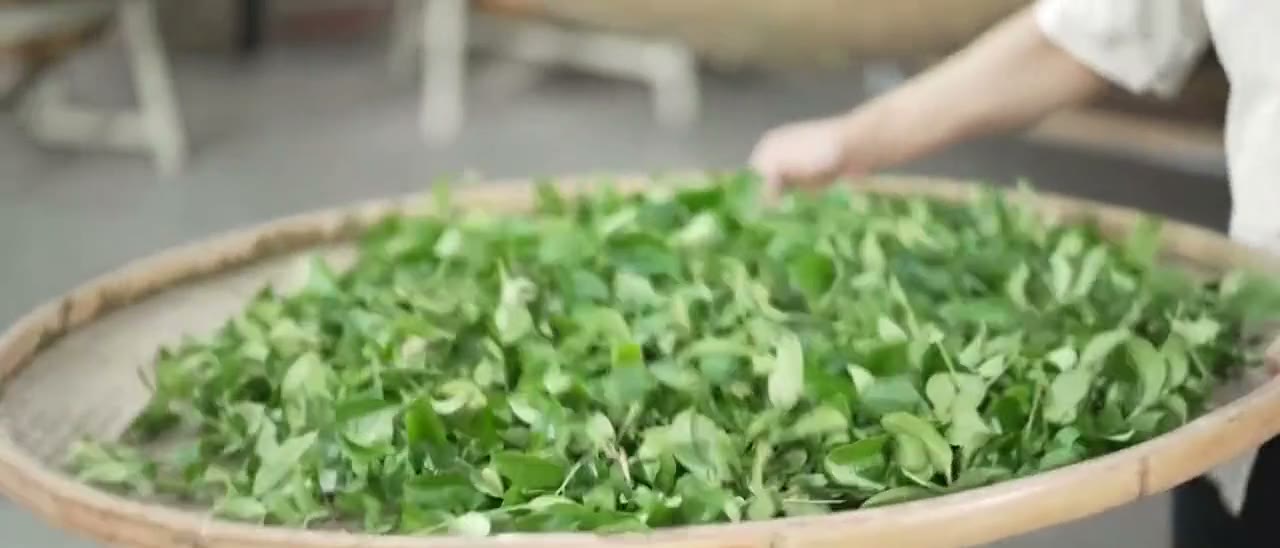
Withering
Withering — Anxi01
Comer
O sol ou a secagem no interior amolece a folha e começa a perda de umidade.
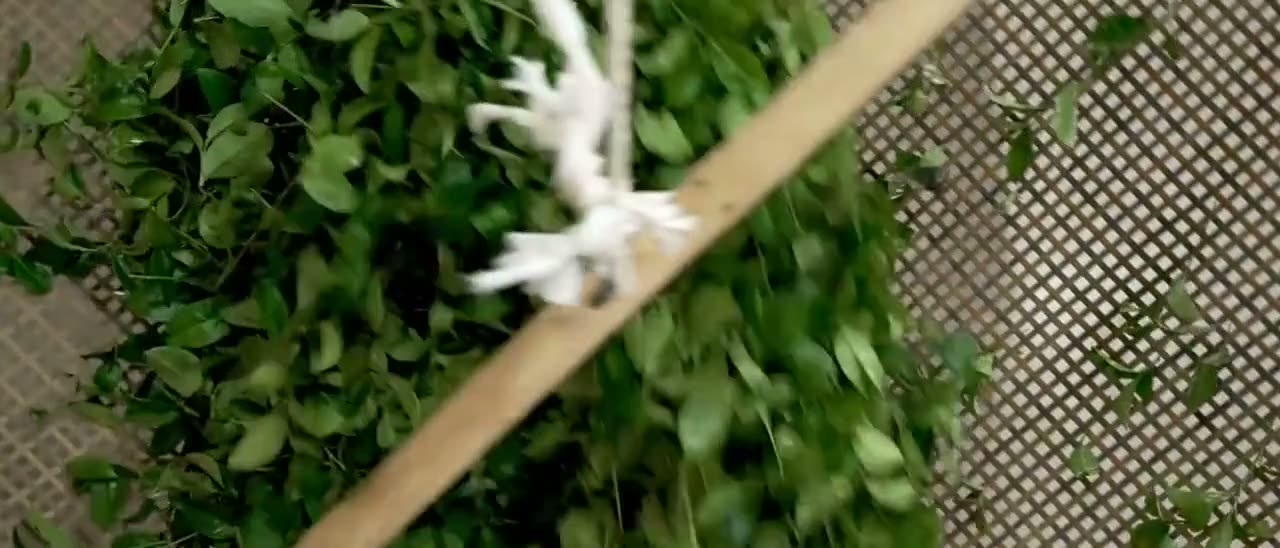
Shaking
Shaking — Tie Guan Yin02
Bruxas e oxidação
A folha é abalada ou abalada para que as bordas se contam e oxidam enquanto o centro permanece verde.
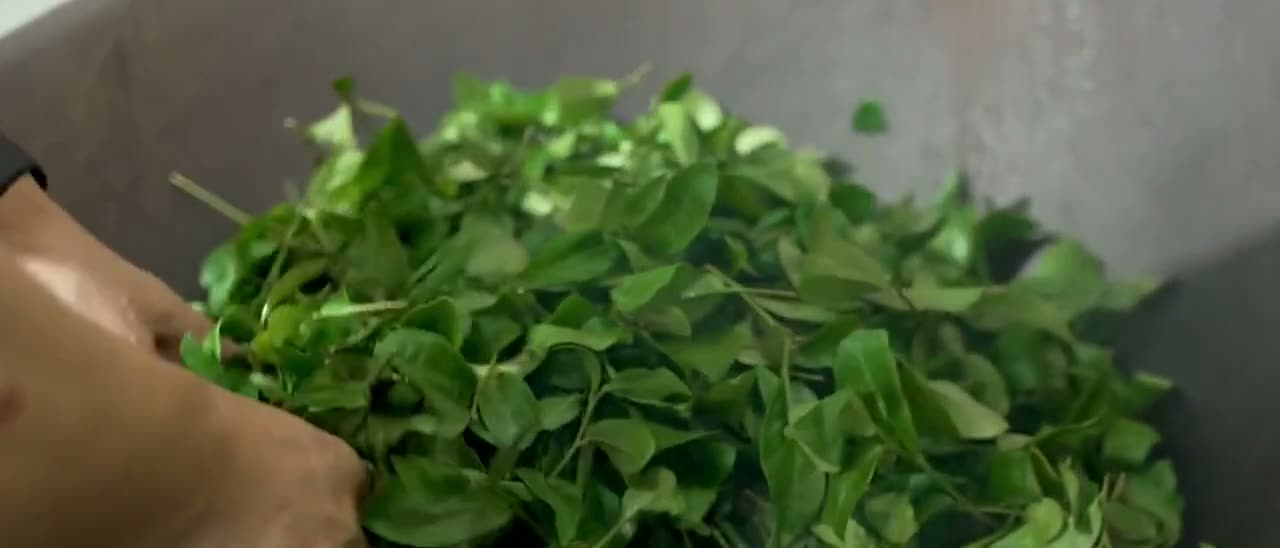
Firing
Firing03
Correção
O calor impede a oxidação. Como ele passa parcialmente, oolong é parcialmente oxidado.
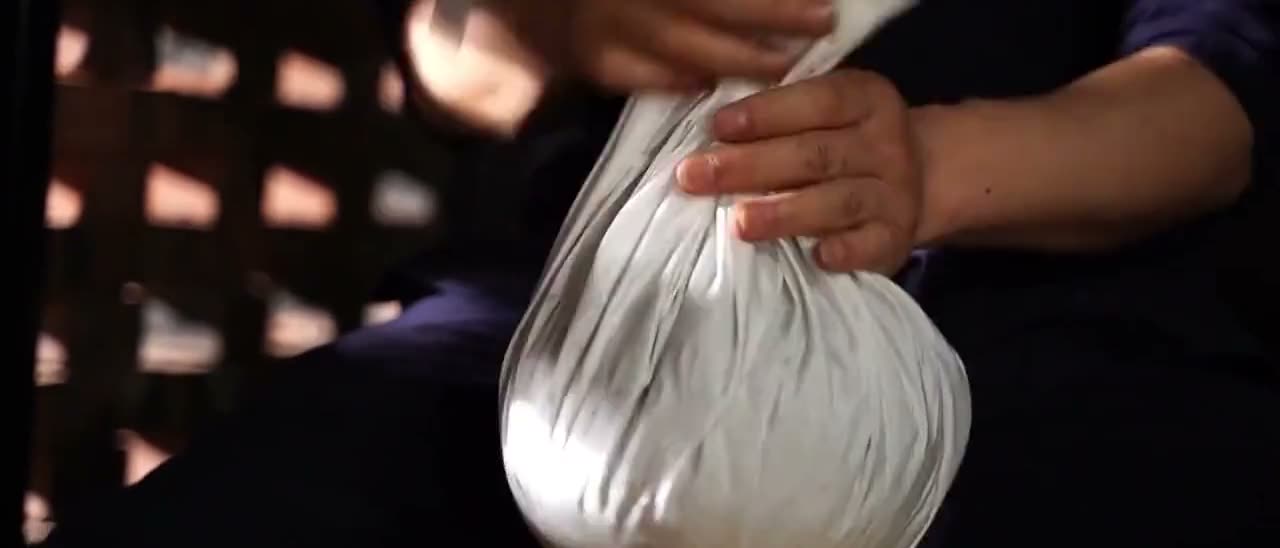
Rolling
Wrap rolling04
Rolo e forma
Pinghe Bai Ya Qi Lan and Anxi Tie Guan Yin are rolled into semi-balls; Wuyishan rock oolongs are twisted into strips.
Assemelhamento
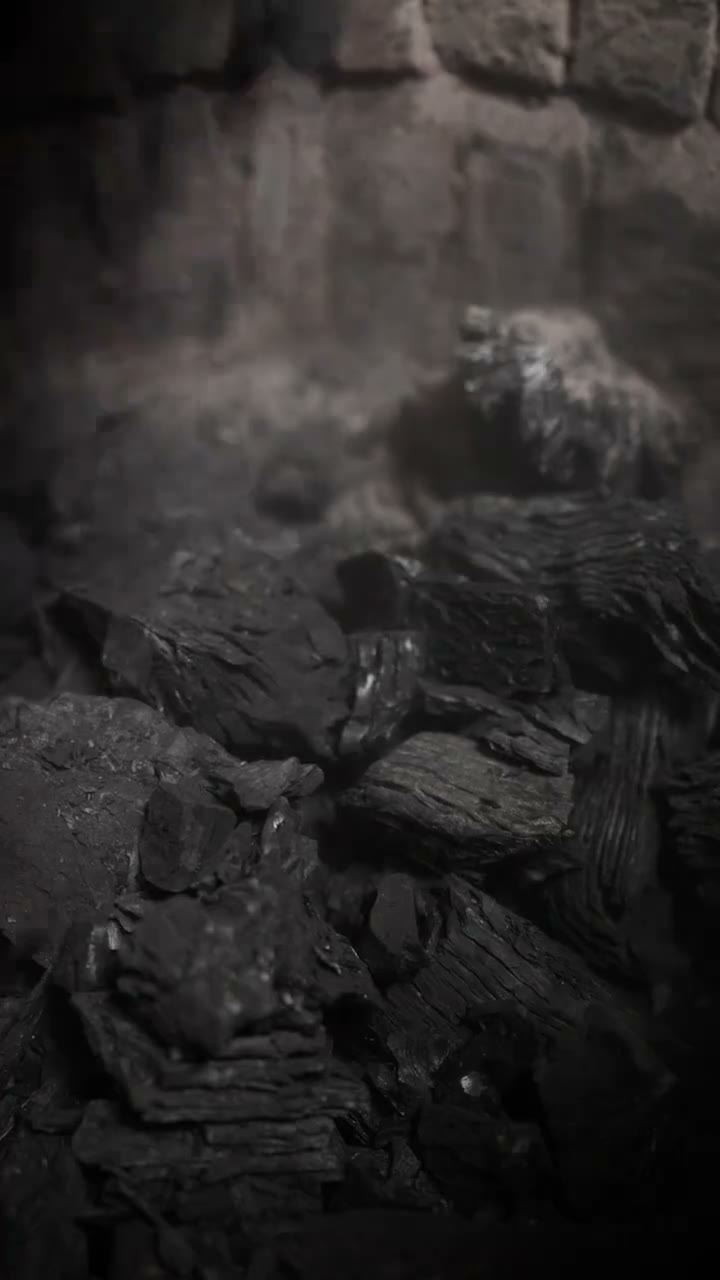
Charcoal roast05
Assemelhamento
O nível do frito muda completamente a xícara e é um termo contratual, não uma nota de sabor.
06
06
Sortar e embalar
Vacuum 7 g and 8 g sachets for rolled oolong; loose strip for rock tea; bulk cartons for both. Moisture at or below 7,0%.
Fujian oolong — the three styles
Pinghe Qi Lan
Anxi Roldados
Rocha de Wuyishan
Nome
Bai Ya Qi Lan
Tie Guan Yin
Da Hong Pao, Rou Gui, Shui Xian
Forma
Rolled semi-ball
Bola laminada
- Descasque
Assemelhamento
Light to medium
Jade a médio
Medium a carvão
Função
Protected-origin alternative to Anxi
Volume
Alto da gama de preços
01
Guide
O que muda no nível do assado?
Everything a buyer tastes. An unroasted jade Tie Guan Yin is floral and green; a charcoal-roasted rock oolong is mineral, deep and long. The leaf can be from the same garden. Because the grade name does not carry the roast, the contract must.
02
How do Taiwanese and Fujian oolongs differ?
Oolong began in Fujian, and Fujian and Taiwan remain its two great homes. Fujian makes rolled Anxi oolongs such as Tie Guan Yin, strip-shaped, roasted Wuyi rock oolongs such as Da Hong Pao, and Pinghe’s orchid-scented Bai Ya Qi Lan. Taiwan is known for rolled high-mountain oolongs, roasted Dong Ding and the heavily oxidised Oriental Beauty.
Dong Ding, or Tung Ting, comes from Nantou County in Taiwan: a rolled, medium-oxidised oolong traditionally finished with a charcoal roast for a nutty, caramel depth. Oolongs differ by cultivar, oxidation level, leaf shape and roast; two teas sold simply as “oolong” can taste as different as a green tea and a black tea.
Roasting comes after rolling and drying: the leaf is heated in charcoal or electric roasters, lightly for fresh, floral teas or repeatedly for dark, toasty ones. Roasting deepens flavour and helps the tea keep, but a darker roast does not by itself mean a more oxidised leaf.
Frequentemente perguntado
O chá verde ou o chá preto?
Não, é parcialmente oxidada entre os dois e compartilha as subposições HS 0902.30 e 0902.40 com o chá preto.
O que é o rock oolong?
Oolong de folha de tiras de Wuyishan em Nanping, Fujian, incluindo Da Hong Pao, Rou Gui e Shui Xian, assado a carvão e conhecido por seu caráter mineral.
O que a oxidação muda no chá oolong?
A oxidação altera química, cor e aroma da folha, levando a bebida de notas verdes e florais frescas a fruta, mel e tons profundos. É apenas uma variável: cultivar, murchamento, agitação, fixação, torra e armazenamento também contam. Aprove uma bebida e uma descrição do processo, não somente uma porcentagem.
Um oolong mais escuro está sempre mais oxidado?
Não. Folhas ou infusão mais escuras também podem refletir torra forte, armazenamento, cultivar ou preparo. A cor sozinha não separa as causas. Compare o registro do processo, aroma da folha seca, folha infusionada e perfil da bebida, usando o mesmo método para avaliar duas amostras.
Why is it called oolong, and is it oolong or ulun?
Oolong is the English form of the Chinese wulong, “black dragon”, usually explained by the dark, curled leaf or by folk legend. Ulun is the same word in Russian spelling. Oolong is also called blue or blue-green tea, from its Chinese category name, qingcha.
Is oolong tea fermented?
No, not in the microbial sense. Oolong is partly oxidised: the leaf is bruised so its own enzymes darken it, then heat stops the process. The tea trade often says “fermented” when it means oxidised; genuinely fermented teas are dark teas such as ripe pu-erh.
What does oolong tea look like?
Either tightly rolled balls, as in Tie Guan Yin and Taiwanese high-mountain oolongs, or long twisted strips, as in Wuyi rock oolongs, from jade green to dark brown depending on oxidation and roast. Brewed, the leaves unfurl, often showing reddened edges, and the liquor runs from pale gold to amber.
Why is oolong tea associated with China?
Oolong was first made in Fujian, in the Wuyi mountains and Anxi, and Fujian remains its main source; Taiwan took up oolong making in the nineteenth century. Fujian ships two thirds of China's oolong exports today.