Oolong is the most processed of the unroasted-to-roasted spectrum and the one with the most decisions. After withering, the leaf is shaken or tumbled to bruise the edges, left to oxidise partially, then fixed to stop it, rolled into ball or strip, and roasted to a level that has to be written on the contract. Fujian ships two thirds of China's oolong exports; Pinghe's Bai Ya Qi Lan, Anxi's Tie Guan Yin and Wuyishan's rock oolongs are the three styles.
الخطوات
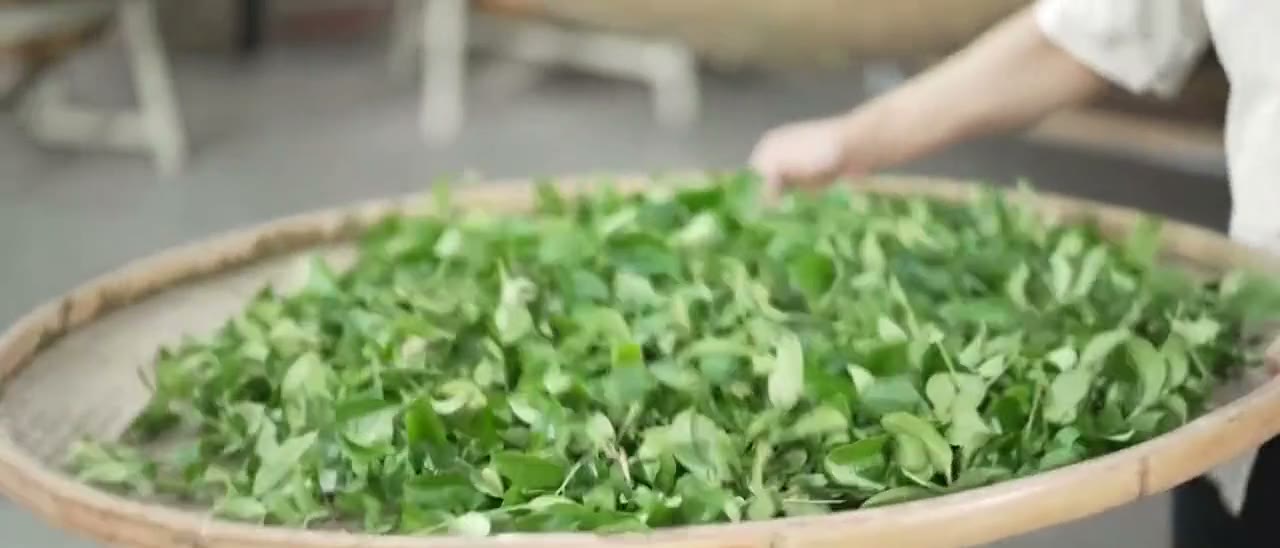
Withering
Withering — Anxi01
معر
الشمس أو التجفيف في الداخل يضعف الورقة ويمارس فقدان الرطوبة.
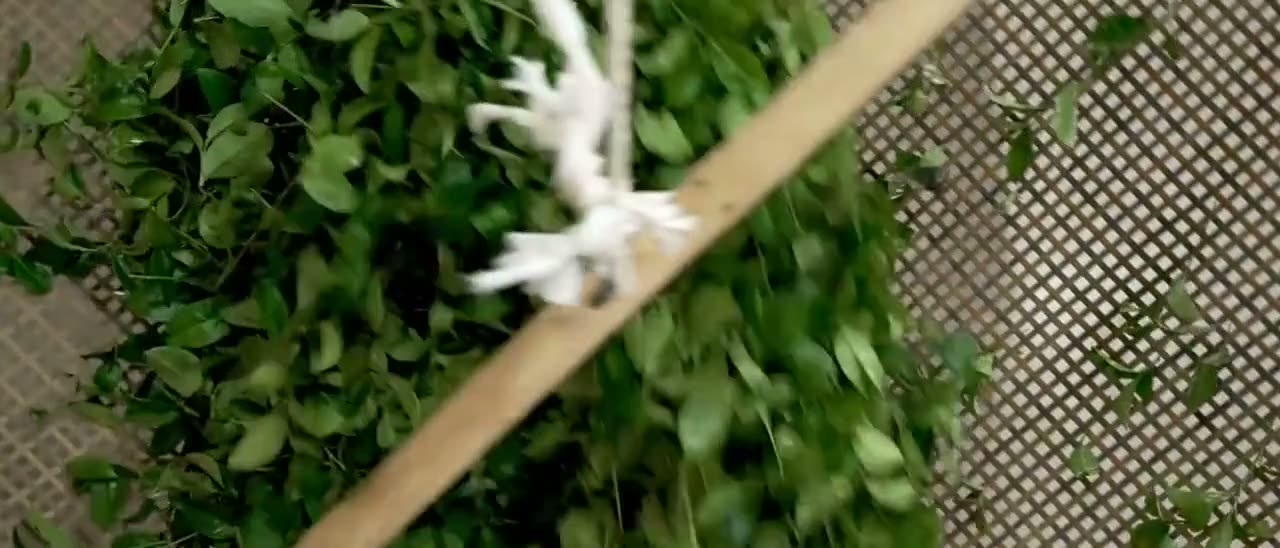
Shaking
Shaking — Tie Guan Yin02
الكدمات والأكسدة
يتم هز الورقة أو تسقط بحيث تتكبد الحواف وتتأكّد بينما يبقى المركز أخضر. يتم وقف التأكّد عندما يرى المصنّع أنّ الرائحة صحيحة.
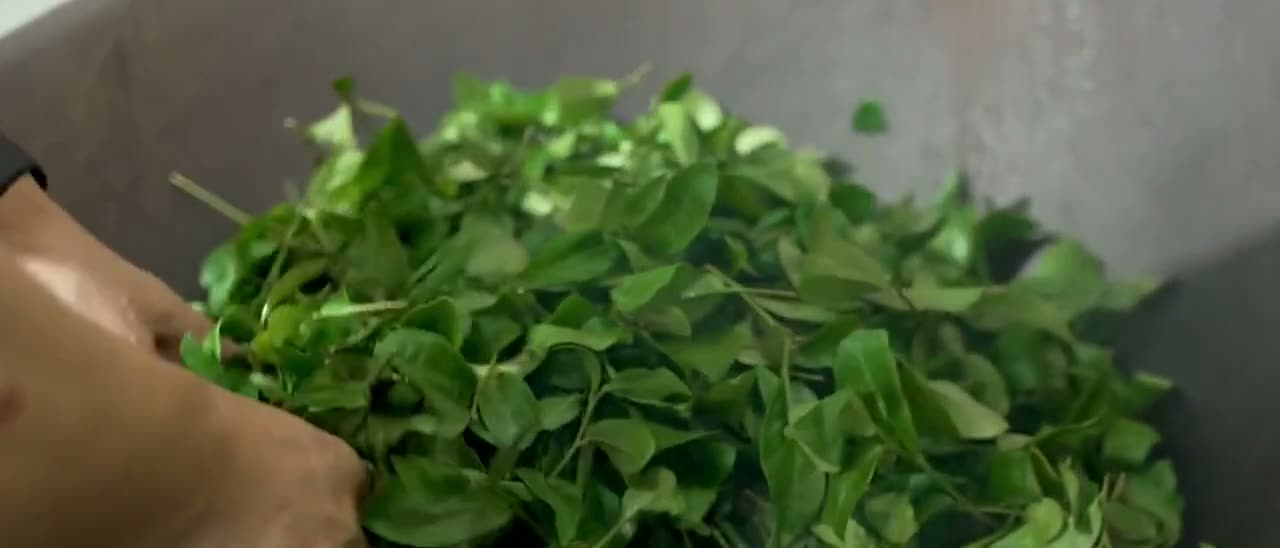
Firing
Firing03
إصلاح
الحرارة توقف التأكسيد. لأنه يأتي في طريقها جزئيًا ، يتم تأكسيد oolong جزئيًًا
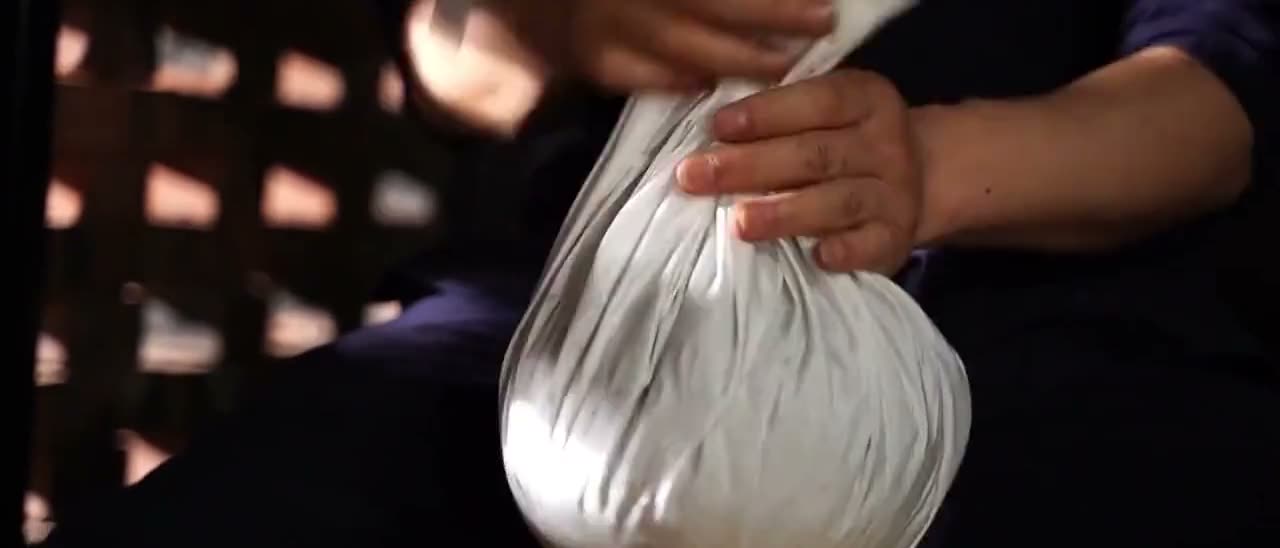
Rolling
Wrap rolling04
الدوار والشكل
Pinghe Bai Ya Qi Lan and Anxi Tie Guan Yin are rolled into semi-balls; Wuyishan rock oolongs are twisted into strips.
الحمراء
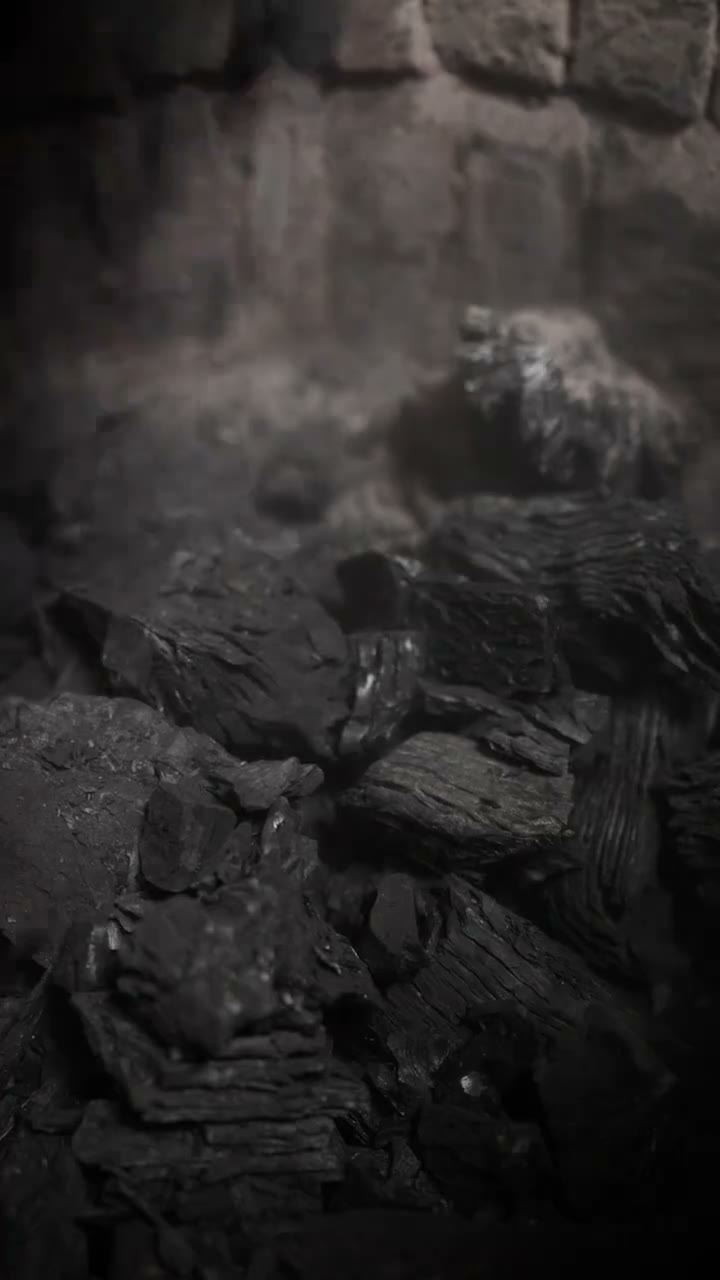
Charcoal roast05
الحمراء
من طراز الزهور غير المقلية إلى الحمية الخفيفة والمتوسطة والفحم المحمص مستوى الحمية يغير الكأس تماماً و هو مصطلح عقد وليس ملاحظة لذيذة
06
06
التفرقة والتعبئة
أكياس الفراغ 7 g و 8 g للقشيرات المزججة؛ شريط طليق للشاي الصخري؛ علبة كبيرة لكل منهما. رطوبة عند 7.0% أو أقل.
Fujian oolong — the three styles
Pinghe Qi Lan
Anxi rolled
صخرة Wuyishan
الاسم
Bai Ya Qi Lan
تي غوان يين
(Da Hong Pao) ، (رو غوي) ، (شوي شيان)
الشكل
Rolled semi-ball
الكرة المدوّجة
الشريط
الحمراء
Light to medium
اليهاد إلى المتوسطة
المتوسط إلى الفحم
الدور
Protected-origin alternative to Anxi
الحجم
أعلى مستوى الأسعار
01
Guide
ما الذي يتغير مستوى التخبز؟
كل شيء يذوق المشتري. الجياد غير المقلي Tie Guan Yin هو زهري وخضراء؛ والجسر المقلي بالفحم الخشبية هو معدني، عميق وطويل. يمكن أن تكون الورقة من نفس الحديقة. لأن اسم الصف لا يحمل المقلي، يجب على العقد.
02
How do Taiwanese and Fujian oolongs differ?
Oolong began in Fujian, and Fujian and Taiwan remain its two great homes. Fujian makes rolled Anxi oolongs such as Tie Guan Yin, strip-shaped, roasted Wuyi rock oolongs such as Da Hong Pao, and Pinghe’s orchid-scented Bai Ya Qi Lan. Taiwan is known for rolled high-mountain oolongs, roasted Dong Ding and the heavily oxidised Oriental Beauty.
Dong Ding, or Tung Ting, comes from Nantou County in Taiwan: a rolled, medium-oxidised oolong traditionally finished with a charcoal roast for a nutty, caramel depth. Oolongs differ by cultivar, oxidation level, leaf shape and roast; two teas sold simply as “oolong” can taste as different as a green tea and a black tea.
Roasting comes after rolling and drying: the leaf is heated in charcoal or electric roasters, lightly for fresh, floral teas or repeatedly for dark, toasty ones. Roasting deepens flavour and helps the tea keep, but a darker roast does not by itself mean a more oxidised leaf.
أسئلة شائعة
هل هو الشاي الأخضر أو الشاي الأسود؟
لا، إنه يتأكسد جزئياً بين هذين الشايين ويشارك في الفرق الفرعية للشركة المختلفة 0902.30 و 0902.40 مع الشاي الأسود.
ما هو الروك أولوغ؟
أوليونغ من أوراق الشريط من Wuyishan في نانبينغ، Fujian، بما في ذلك Da Hong Pao، رو غوي وشوي شيان، محمصاً بالفحم الخشبي ومعروفة بخصائصها المعادن.
ماذا تغيّر الأكسدة في شاي أولونغ؟
تغيّر الأكسدة كيمياء الورقة ولونها ورائحتها، فتحرّك الكوب من النكهات الخضراء والزهرية الطازجة نحو الفاكهة والعسل والدرجات الأعمق. وهي عامل واحد فقط؛ فالصنف والذبول والهز والتثبيت والتحميص والتخزين مهمة أيضاً. ينبغي للمشتري اعتماد الكوب ووصف العملية لا نسبة الأكسدة وحدها.
هل يعني الأولونغ الأغمق دائماً أنه أكثر أكسدة؟
لا. قد ينتج اللون الداكن للأوراق أو المنقوع عن تحميص أقوى أو تخزين أطول أو الصنف أو طريقة التحضير، إضافة إلى الأكسدة. لا يفصل اللون وحده هذه الأسباب. قارن سجل المعالجة ورائحة الورقة الجافة والمبتلة وملف الكوب، واستخدم طريقة التحضير نفسها عند تقييم عينتين.
Why is it called oolong, and is it oolong or ulun?
Oolong is the English form of the Chinese wulong, “black dragon”, usually explained by the dark, curled leaf or by folk legend. Ulun is the same word in Russian spelling. Oolong is also called blue or blue-green tea, from its Chinese category name, qingcha.
Is oolong tea fermented?
No, not in the microbial sense. Oolong is partly oxidised: the leaf is bruised so its own enzymes darken it, then heat stops the process. The tea trade often says “fermented” when it means oxidised; genuinely fermented teas are dark teas such as ripe pu-erh.
What does oolong tea look like?
Either tightly rolled balls, as in Tie Guan Yin and Taiwanese high-mountain oolongs, or long twisted strips, as in Wuyi rock oolongs, from jade green to dark brown depending on oxidation and roast. Brewed, the leaves unfurl, often showing reddened edges, and the liquor runs from pale gold to amber.
Why is oolong tea associated with China?
Oolong was first made in Fujian, in the Wuyi mountains and Anxi, and Fujian remains its main source; Taiwan took up oolong making in the nineteenth century. Fujian ships two thirds of China's oolong exports today.