Oolong is the most processed of the unroasted-to-roasted spectrum and the one with the most decisions. After withering, the leaf is shaken or tumbled to bruise the edges, left to oxidise partially, then fixed to stop it, rolled into ball or strip, and roasted to a level that has to be written on the contract. Fujian ships two thirds of China's oolong exports; Pinghe's Bai Ya Qi Lan, Anxi's Tie Guan Yin and Wuyishan's rock oolongs are the three styles.
Les étapes
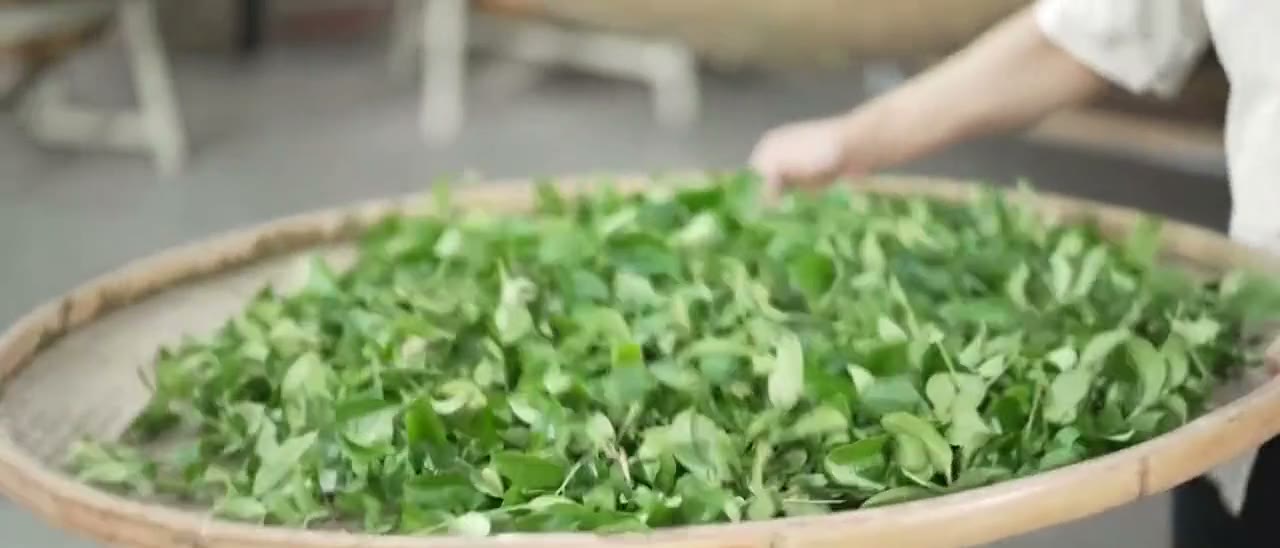
Withering
Withering — Anxi01
Avec
Le soleil ou la sécheresse intérieure adoucit la feuille et entraîne une perte d'humidité.
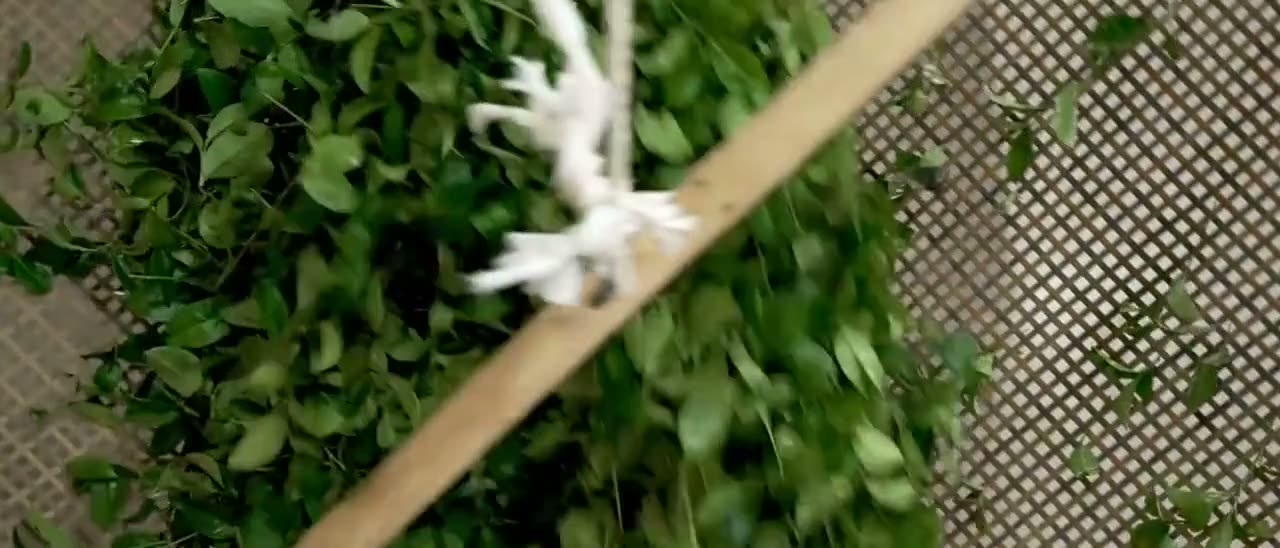
Shaking
Shaking — Tie Guan Yin02
Les contusions et l'oxydation
La feuille est secouée ou renversée, de sorte que les bords se meurent et s'oxydent tandis que le centre reste vert.
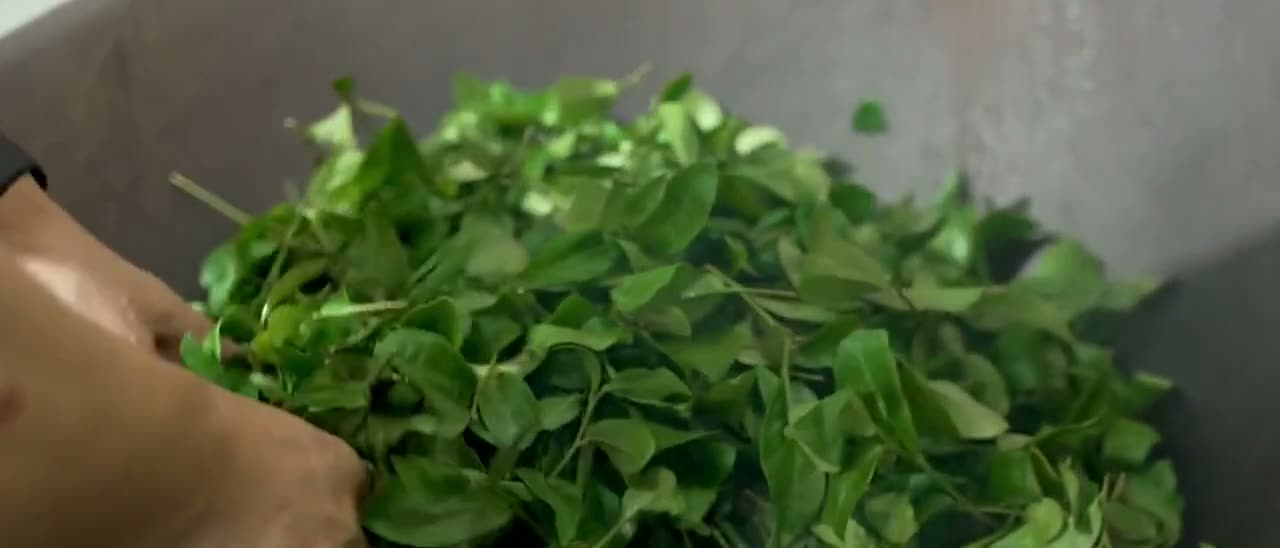
Firing
Firing03
Réparation
La chaleur arrête l'oxydation. Parce qu'il passe partiellement, l'oolong est partiellement oxydé.
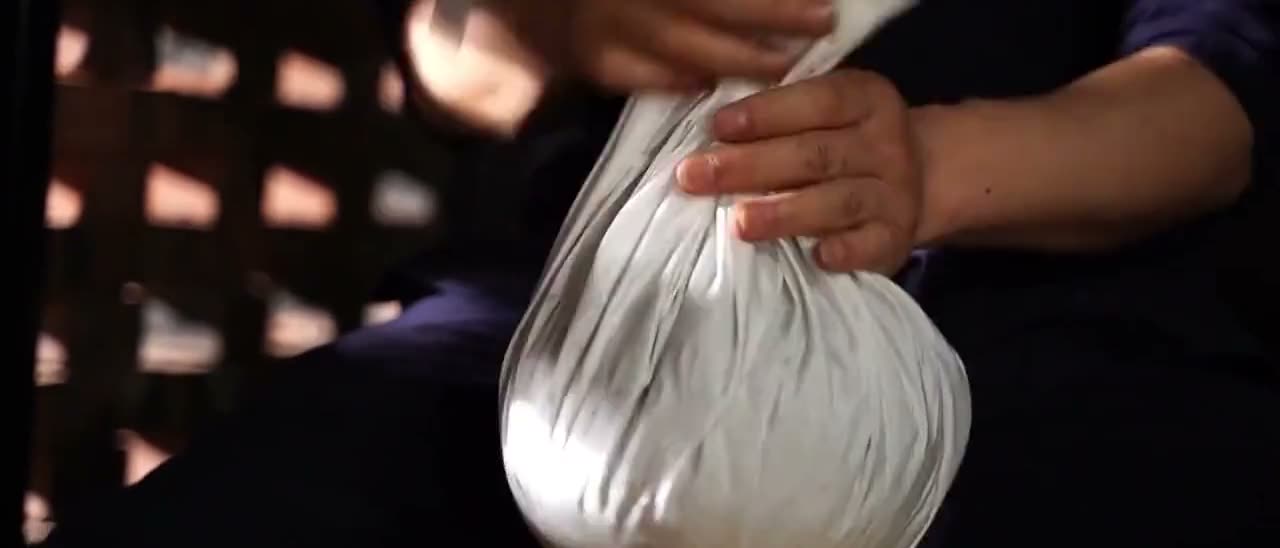
Rolling
Wrap rolling04
Rouleau et forme
Pinghe Bai Ya Qi Lan and Anxi Tie Guan Yin are rolled into semi-balls; Wuyishan rock oolongs are twisted into strips.
Régis
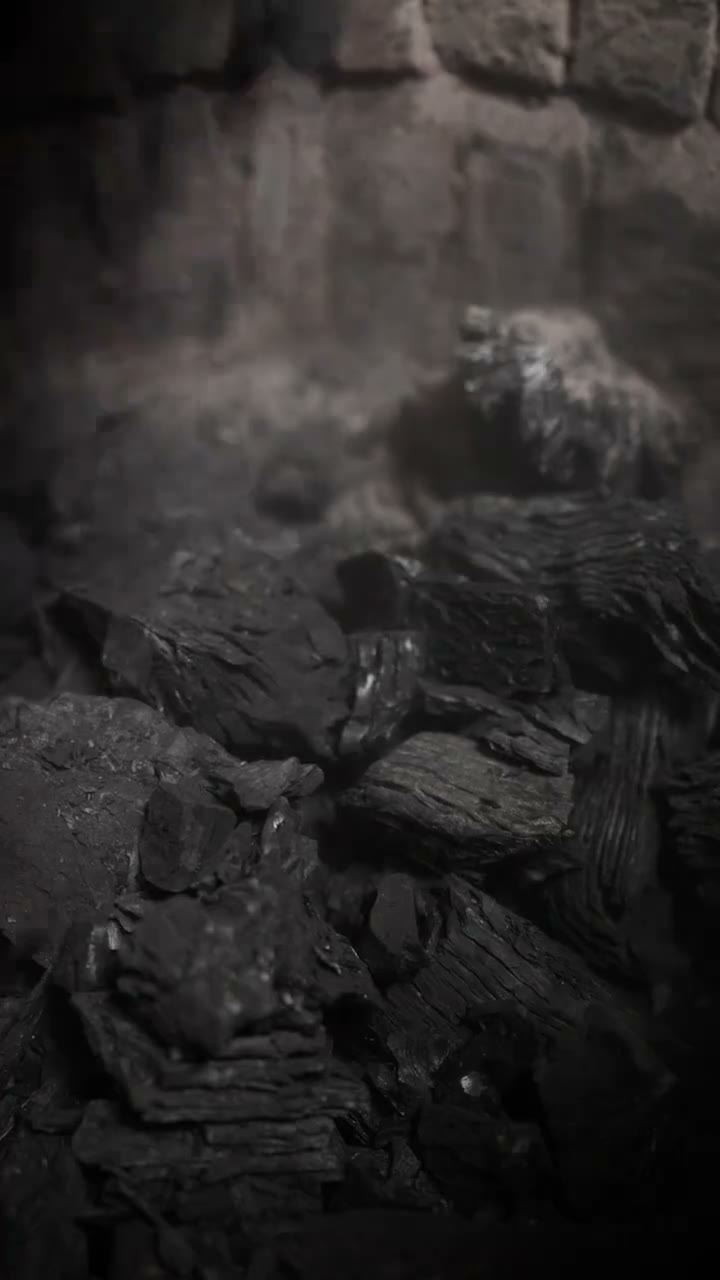
Charcoal roast05
Régis
Le niveau de torréfaction change complètement la tasse et est un terme de contrat, pas une note de saveur.
06
06
Sort et emballage
Sacs à vide 7 g et 8 g pour l'oolong laminé; bande lâche pour le thé rocheux; cartons en vrac pour les deux. Humidité à 7,0% ou en dessous.
Fujian oolong — the three styles
Pinghe Qi Lan
Anxi Règlement de la présente annexe
Roche de couleur Wuyishan
Nom
Bai Ya Qi Lan
Tie Guan Yin
Da Hong Pao Le président de l'Union européenne, le président de la République, le président du Conseil, le chef de l'Etat, le chef du gouvernement et le président du gouvernement de la République.
La forme
Rolled semi-ball
Boule laminée
Strip
Régis
Light to medium
Jade à moyenne
Moyen au charbon
Rôle
Protected-origin alternative to Anxi
Volume
Le sommet de la gamme de prix
01
Guide
Qu'est-ce qui change dans le niveau de torréfaction ?
Tout ce que l'acheteur goûte. Un jade non torréfié Tie Guan Yin est floral et vert; un oolong rocheux torréfié au charbon de bois est minéral, profond et long. La feuille peut être du même jardin. Parce que le nom de la catégorie ne porte pas le torréfié, le contrat doit.
02
How do Taiwanese and Fujian oolongs differ?
Oolong began in Fujian, and Fujian and Taiwan remain its two great homes. Fujian makes rolled Anxi oolongs such as Tie Guan Yin, strip-shaped, roasted Wuyi rock oolongs such as Da Hong Pao, and Pinghe’s orchid-scented Bai Ya Qi Lan. Taiwan is known for rolled high-mountain oolongs, roasted Dong Ding and the heavily oxidised Oriental Beauty.
Dong Ding, or Tung Ting, comes from Nantou County in Taiwan: a rolled, medium-oxidised oolong traditionally finished with a charcoal roast for a nutty, caramel depth. Oolongs differ by cultivar, oxidation level, leaf shape and roast; two teas sold simply as “oolong” can taste as different as a green tea and a black tea.
Roasting comes after rolling and drying: the leaf is heated in charcoal or electric roasters, lightly for fresh, floral teas or repeatedly for dark, toasty ones. Roasting deepens flavour and helps the tea keep, but a darker roast does not by itself mean a more oxidised leaf.
Questions fréquentes
Le thé vert ou le thé noir ?
Il est partiellement oxydé entre les deux et partage les sous-positions HS 0902.30 et 0902.40 avec le thé noir.
C'est quoi le rock oolong ?
Oolong à feuilles de bandes de Wuyishan à Nanping, Fujian, y compris Da Hong Pao, Rou Gui et Shui Xian, rôti au charbon de bois et connu pour son caractère minéral.
Que change l’oxydation dans un thé oolong ?
L’oxydation transforme la chimie, la couleur et les arômes de la feuille, faisant évoluer la tasse des notes vertes et florales vers les fruits, le miel et des tons plus profonds. Ce n’est qu’un facteur : cultivar, flétrissage, brassage, fixation, torréfaction et stockage comptent aussi. Approuvez une tasse et un procédé, pas seulement un pourcentage.
Un oolong plus sombre est-il toujours plus oxydé ?
Non. Des feuilles ou une liqueur plus foncées peuvent aussi venir d’une torréfaction plus forte, du stockage, du cultivar ou de l’infusion. La couleur seule ne sépare pas ces causes. Comparez le relevé de fabrication, l’odeur à sec, la feuille infusée et le profil en tasse avec la même méthode d’infusion.
Why is it called oolong, and is it oolong or ulun?
Oolong is the English form of the Chinese wulong, “black dragon”, usually explained by the dark, curled leaf or by folk legend. Ulun is the same word in Russian spelling. Oolong is also called blue or blue-green tea, from its Chinese category name, qingcha.
Is oolong tea fermented?
No, not in the microbial sense. Oolong is partly oxidised: the leaf is bruised so its own enzymes darken it, then heat stops the process. The tea trade often says “fermented” when it means oxidised; genuinely fermented teas are dark teas such as ripe pu-erh.
What does oolong tea look like?
Either tightly rolled balls, as in Tie Guan Yin and Taiwanese high-mountain oolongs, or long twisted strips, as in Wuyi rock oolongs, from jade green to dark brown depending on oxidation and roast. Brewed, the leaves unfurl, often showing reddened edges, and the liquor runs from pale gold to amber.
Why is oolong tea associated with China?
Oolong was first made in Fujian, in the Wuyi mountains and Anxi, and Fujian remains its main source; Taiwan took up oolong making in the nineteenth century. Fujian ships two thirds of China's oolong exports today.