Oolong is the most processed of the unroasted-to-roasted spectrum and the one with the most decisions. After withering, the leaf is shaken or tumbled to bruise the edges, left to oxidise partially, then fixed to stop it, rolled into ball or strip, and roasted to a level that has to be written on the contract. Fujian ships two thirds of China's oolong exports; Pinghe's Bai Ya Qi Lan, Anxi's Tie Guan Yin and Wuyishan's rock oolongs are the three styles.
Los pasos
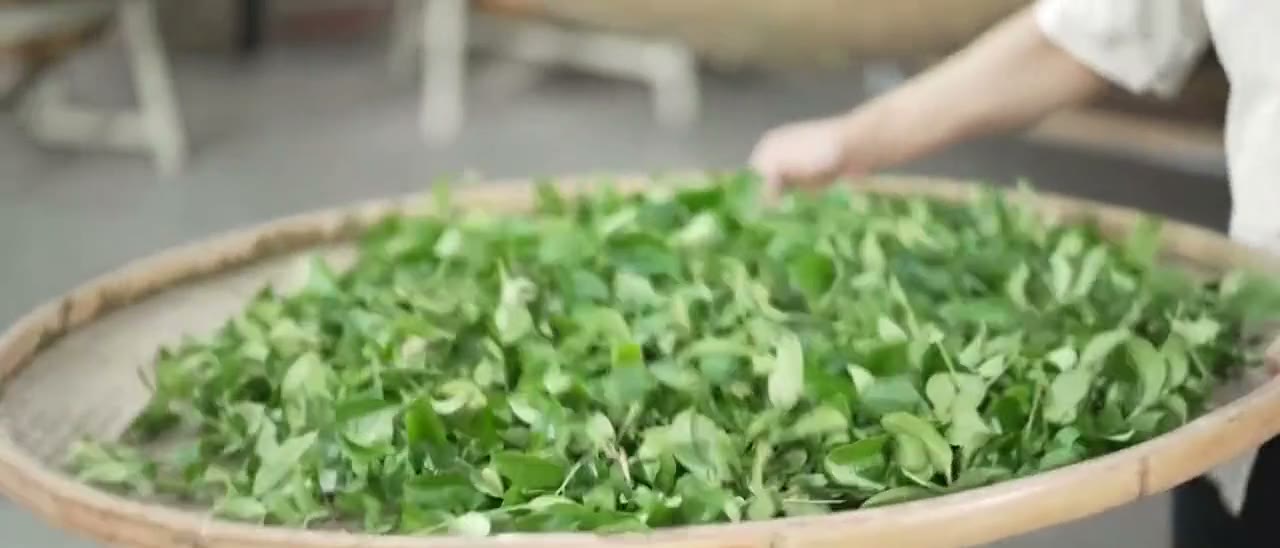
Withering
Withering — Anxi01
Coner
El sol o el marmotraje en el interior suaviza la hoja y comienza a perder humedad.
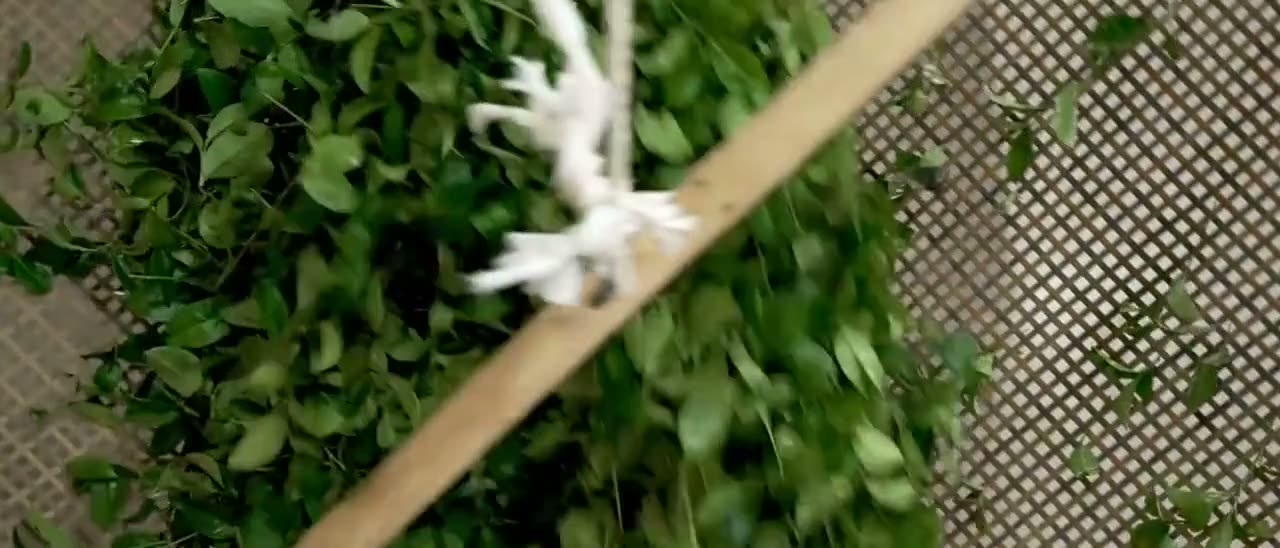
Shaking
Shaking — Tie Guan Yin02
Brujos y oxidación
La hoja se sacudía o se desmoronaba para que los bordes se mordieran y oxidaran mientras el centro se mantuviera verde.
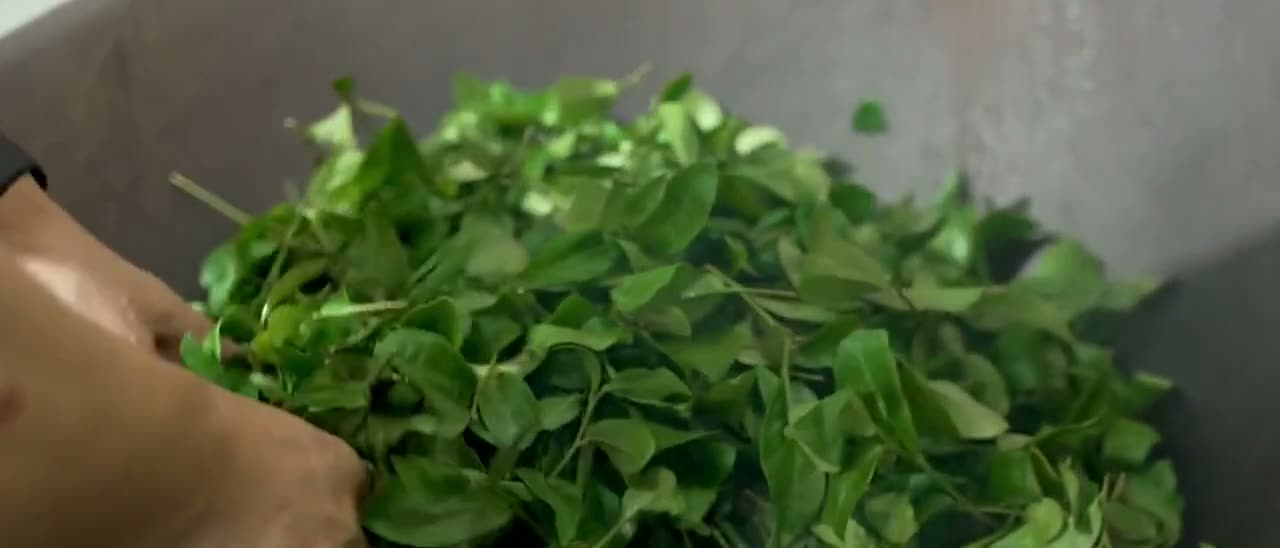
Firing
Firing03
Corrección
El calor detiene la oxidación. Debido a que pasa en parte, el oolong se oxida en parte.
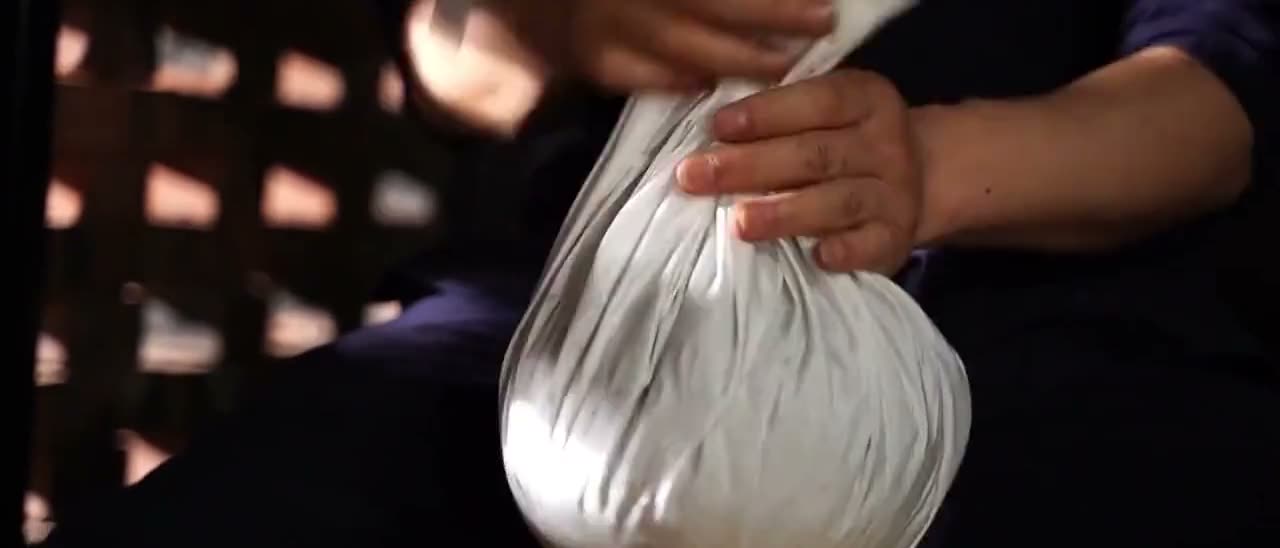
Rolling
Wrap rolling04
Rollo y forma
Pinghe Bai Ya Qi Lan and Anxi Tie Guan Yin are rolled into semi-balls; Wuyishan rock oolongs are twisted into strips.
Rostado
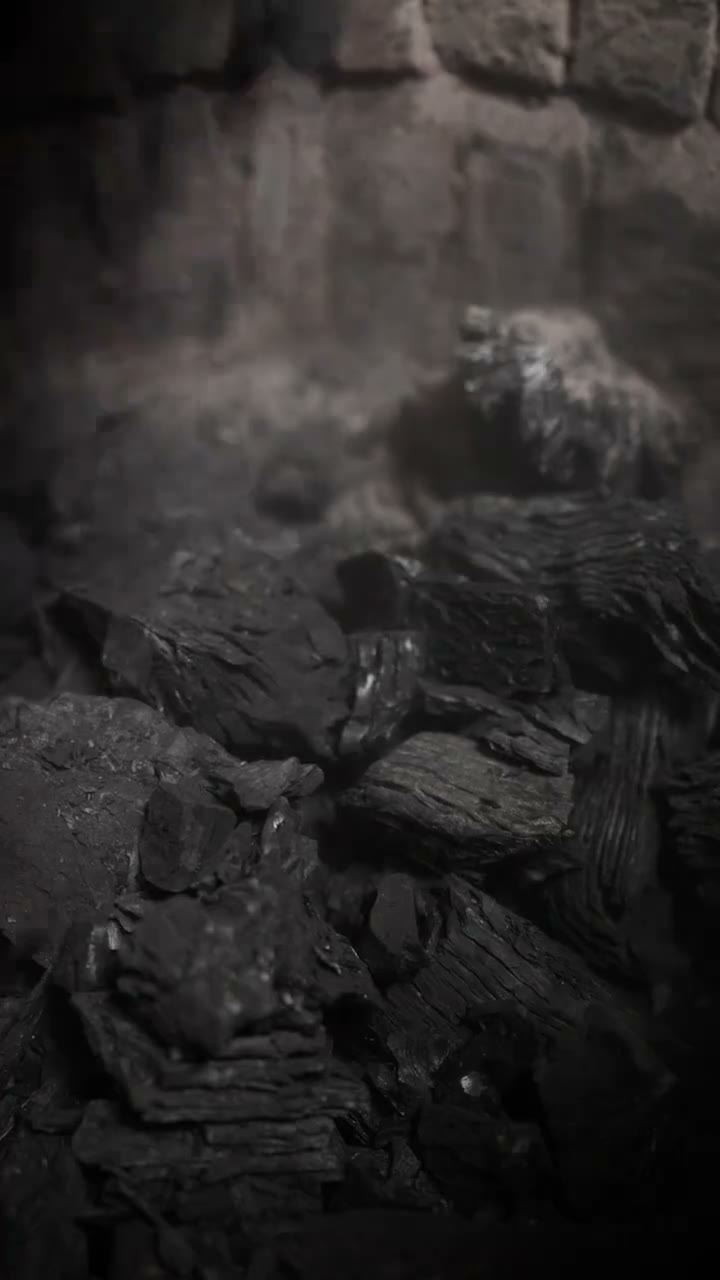
Charcoal roast05
Rostado
Desde el estilo de jade sin tostar hasta el tostado ligero, medio y de carbón.
06
06
Sortado y empaquetado
Sacos de vacío 7 y 8 para oolong laminado; tira suelta para té de roca; cartones a granel para ambos. Humedad en o por debajo de 7,0%.
Fujian oolong — the three styles
Pinghe Qi Lan
Anxi rolled
Wuyishan Roca de la misma categoría
Nombre
Bai Ya Qi Lan
Tie Guan Yin
Da Hong Pao El número de personas que se encuentren en el centro de atención de la UE
Forma
Rolled semi-ball
Pelotas rodadas
El estribo
Rostado
Light to medium
Jade a mediano
Mediano a carbón
El papel
Protected-origin alternative to Anxi
Volumen
Alza de la gama de precios
01
Guide
¿Qué cambia el nivel de asado?
El jade sin tostar Tie Guan Yin es floral y verde; un oolong de roca tostado con carbón de madera es mineral, profundo y largo. La hoja puede ser del mismo jardín. Debido a que el nombre de la categoría no lleva el tostado, el contrato debe.
02
How do Taiwanese and Fujian oolongs differ?
Oolong began in Fujian, and Fujian and Taiwan remain its two great homes. Fujian makes rolled Anxi oolongs such as Tie Guan Yin, strip-shaped, roasted Wuyi rock oolongs such as Da Hong Pao, and Pinghe’s orchid-scented Bai Ya Qi Lan. Taiwan is known for rolled high-mountain oolongs, roasted Dong Ding and the heavily oxidised Oriental Beauty.
Dong Ding, or Tung Ting, comes from Nantou County in Taiwan: a rolled, medium-oxidised oolong traditionally finished with a charcoal roast for a nutty, caramel depth. Oolongs differ by cultivar, oxidation level, leaf shape and roast; two teas sold simply as “oolong” can taste as different as a green tea and a black tea.
Roasting comes after rolling and drying: the leaf is heated in charcoal or electric roasters, lightly for fresh, floral teas or repeatedly for dark, toasty ones. Roasting deepens flavour and helps the tea keep, but a darker roast does not by itself mean a more oxidised leaf.
Preguntas frecuentes
¿Es el té verde o el té negro?
No. Se oxida parcialmente entre los dos y comparte con el té negro las subposiciones 0902.30 y 0902.40 del HS.
¿Qué es el rock oolong?
Oolong de hoja de tira de Wuyishan en Nanping, Fujian, incluidos Da Hong Pao, Rou Gui y Shui Xian, asado en carbón y conocido por su carácter mineral.
¿Qué cambia la oxidación en el té oolong?
La oxidación modifica química, color y aroma de la hoja y desplaza la taza desde notas frescas, florales y verdes hacia fruta, miel y tonos profundos. Es solo una variable: cultivar, marchitado, magullado, fijación, tostado y almacenamiento también influyen. Apruebe una taza y descripción del proceso, no únicamente un porcentaje.
¿Un oolong más oscuro está siempre más oxidado?
No. Hojas o infusión oscuras también pueden reflejar tostado intenso, almacenamiento, cultivar o preparación. El color por sí solo no separa esas causas. Compare el registro de proceso, el aroma en seco, la hoja infusionada y el perfil de taza, usando el mismo método para evaluar dos muestras.
Why is it called oolong, and is it oolong or ulun?
Oolong is the English form of the Chinese wulong, “black dragon”, usually explained by the dark, curled leaf or by folk legend. Ulun is the same word in Russian spelling. Oolong is also called blue or blue-green tea, from its Chinese category name, qingcha.
Is oolong tea fermented?
No, not in the microbial sense. Oolong is partly oxidised: the leaf is bruised so its own enzymes darken it, then heat stops the process. The tea trade often says “fermented” when it means oxidised; genuinely fermented teas are dark teas such as ripe pu-erh.
What does oolong tea look like?
Either tightly rolled balls, as in Tie Guan Yin and Taiwanese high-mountain oolongs, or long twisted strips, as in Wuyi rock oolongs, from jade green to dark brown depending on oxidation and roast. Brewed, the leaves unfurl, often showing reddened edges, and the liquor runs from pale gold to amber.
Why is oolong tea associated with China?
Oolong was first made in Fujian, in the Wuyi mountains and Anxi, and Fujian remains its main source; Taiwan took up oolong making in the nineteenth century. Fujian ships two thirds of China's oolong exports today.