Black tea is fully oxidised. Fresh leaf is withered, rolled to break the cells, left to oxidise until the leaf turns copper-brown, then dried. It was invented at Tongmu inside Wuyishan, Fujian — Lapsang Souchong is the first black tea on record — and the Fujian congou method that followed, seen in Tanyang Gongfu from Fu'an, is the ancestor of orthodox black tea worldwide.
Los pasos
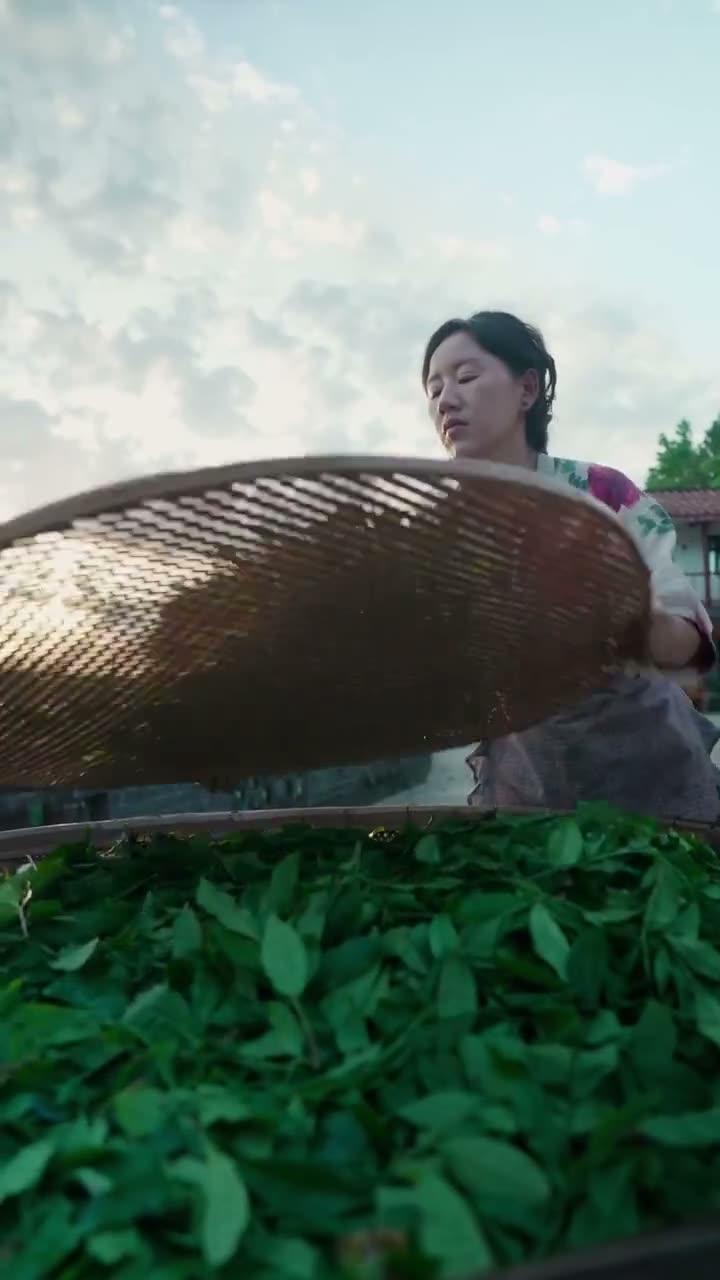
Withering
Withering at dusk01
Coner
La hoja pierde humedad y se vuelve lo suficientemente flexible como para rodar sin romperse.
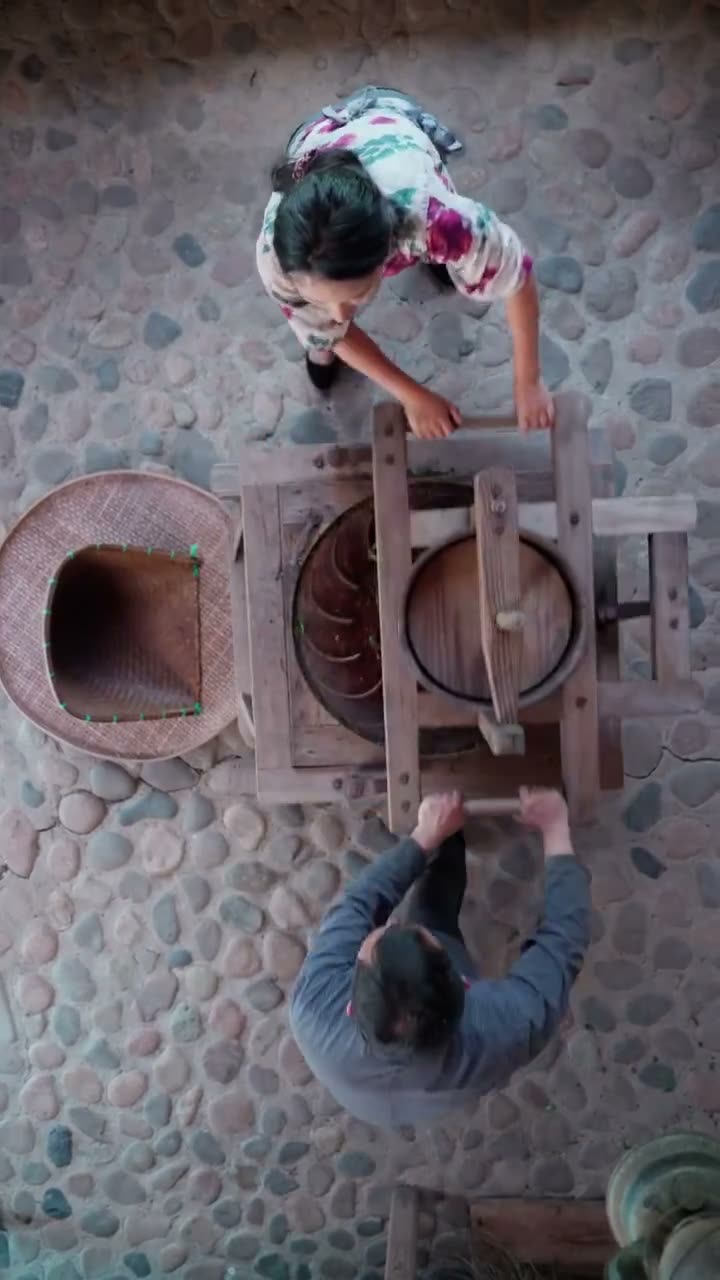
Rolling
Rolling02
Rollo
El rodaje rompe las células de las hojas y reúne enzimas y jugos, comenzando la oxidación.
03
03
Oxidación
La hoja laminada descansa en una habitación húmeda hasta que se vuelve marrón de cobre. Aquí es donde se forman el color y el carácter del té negro.
Rostado
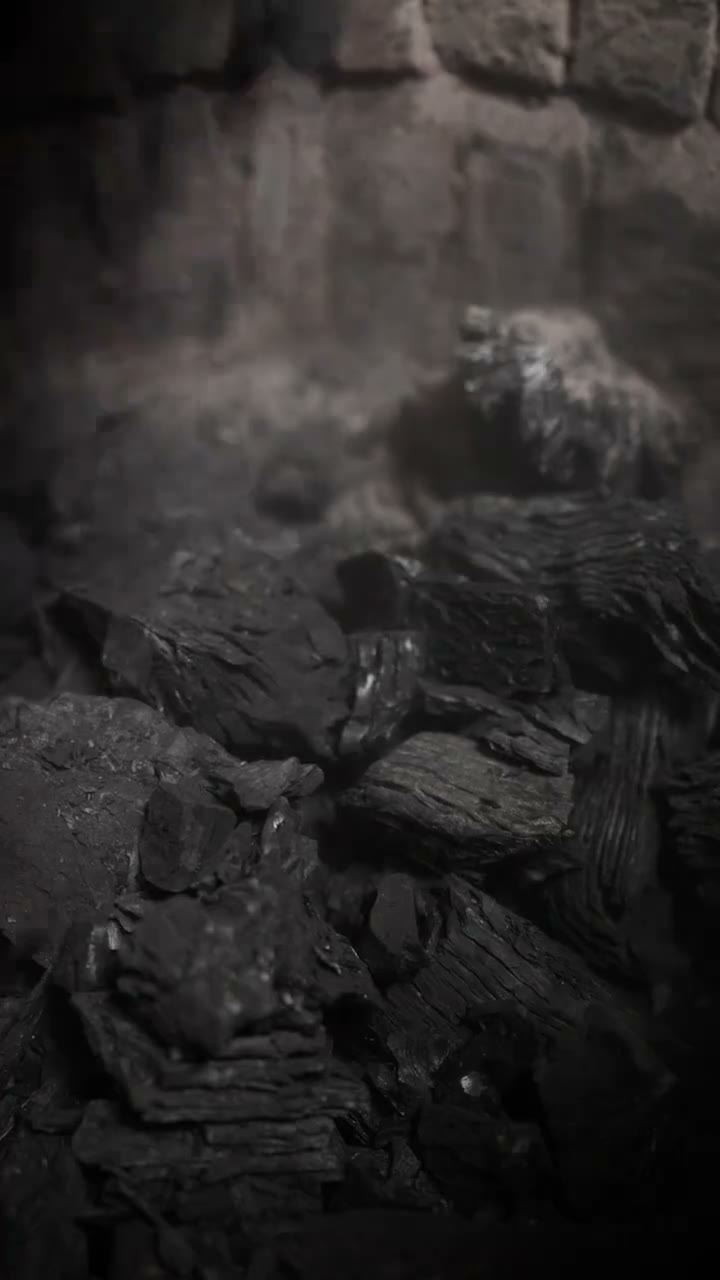
Drying over charcoal04
Seco
Heat stops oxidation and brings moisture down to at or below 7,0%. Traditional Tongmu Lapsang Souchong is dried over pine smoke; the unsmoked version is dried without.
Sorting
Sorted lots05
Clasificación y grado
El té negro Fujian se clasifica por nombre y el extracto Jin Jun Mei es solo con brotes en lugar de por las letras ortodoxas utilizadas para el té indio y Ceilán.
Tés negro Fujian
El té
Origen
Nota
Lapsang Souchong
Tongmu, Wuyishan
Primero té negro registrado; fumado o no fumado especificar
Jin Jun Mei
Tongmu, Wuyishan
Solo de cultivo de budas; punta dorada
Tanyang Gongfu
Fu'an El número de personas que se encuentren en el centro de atención
Estilo Congou; el histórico negro de exportación Fujian
01
Guide
¿Dónde crece el té negro chino?
Central Asia. Black tea into Uzbekistan more than doubled year-to-date in 2025 by an industry count, and total Chinese tea into Uzbekistan reached 29.217,4 tonnes for the year, up 17,3%. Fujian congou styles answer that demand. Black tea was USD 28,05 million, or 9,18%, of Fujian's export value in 2023.
02
Why did black tea appear, and why is it linked with Britain?
Black tea emerged in the Wuyi mountains of Fujian, where fully oxidised tea such as Lapsang Souchong was being made by the seventeenth century. It kept its flavour on long sea voyages better than green tea, and as British demand grew it became the tea of the British market.
In the nineteenth century Britain established tea plantations in India and Ceylon, now Sri Lanka, which is why Assam and Ceylon are so closely associated with black tea today. Chinese black teas such as Lapsang Souchong, Jin Jun Mei and Tanyang Gongfu remain the style’s original source.
Preguntas frecuentes
¿Dónde se inventó el té negro?
Tongmu, dentro del área Wuyishan de Fujian, China.
¿El té negro está fermentado?
En el lenguaje comercial, sí la partida HS 0902 la llama fermentada. Técnicamente el cambio es la oxidación enzimática, no la fermentación microbiana.
¿Por qué se llama té negro si la infusión puede verse roja?
El nombre inglés alude principalmente a la hoja procesada oscura, mientras que la terminología china suele describir el color rojo de la infusión. Ambos nombres pueden indicar la misma categoría general. En documentos comerciales use el nombre reconocido en destino y añada el grado o estilo de origen para evitar ambigüedades.
¿Cómo distingue el proceso al té negro del verde?
El té negro se deja oxidar considerablemente antes del secado; el verde se calienta pronto para limitar la oxidación. Eso cambia color, aroma, sabor y almacenamiento, aunque cultivar y acabado también cuentan. Para comparar muestras mantenga constantes el grado de hoja y la preparación, en vez de tratar el color como única diferencia.
Is black tea an herb, and is mate black tea?
Black tea is not an herb: it comes from the tea plant, Camellia sinensis, the same plant as green and white tea. Yerba mate is a different plant, Ilex paraguariensis, so mate is not black tea, though both contain caffeine.
What does black tea look like?
Dry black tea is dark brown to black, as twisted whole leaves, fine tippy leaves with golden buds, or small granules in CTC tea. Brewed, it is red-brown to deep amber.
What is black tea in Morocco and Egypt?
In Egypt, black tea is the everyday tea, usually brewed strong and sweet, sometimes with mint. In Morocco the national drink is mint tea made with Chinese green tea, and black tea is a much smaller part of the market.
Why is black tea called red tea in Japanese as well as Chinese?
Japanese names it kocha, “red tea”, for the same reason Chinese calls it hongcha: both name the tea after the red-brown colour of the brewed liquor, while English names it after the dark dry leaf.