Black tea is fully oxidised. Fresh leaf is withered, rolled to break the cells, left to oxidise until the leaf turns copper-brown, then dried. It was invented at Tongmu inside Wuyishan, Fujian — Lapsang Souchong is the first black tea on record — and the Fujian congou method that followed, seen in Tanyang Gongfu from Fu'an, is the ancestor of orthodox black tea worldwide.
الخطوات
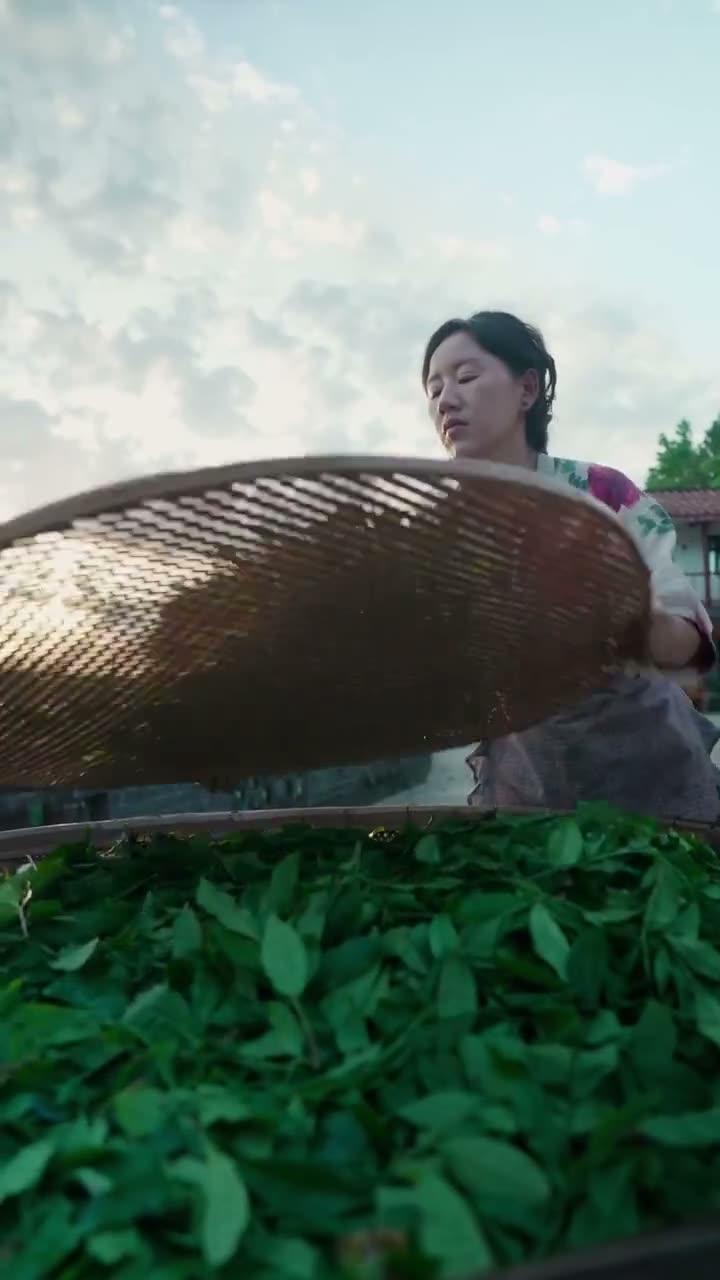
Withering
Withering at dusk01
معر
ينفد الورق الرطوبة ويصبح مرنًا بما فيه الكفاية للوصول إلى الركوب دون أن يُحطم.
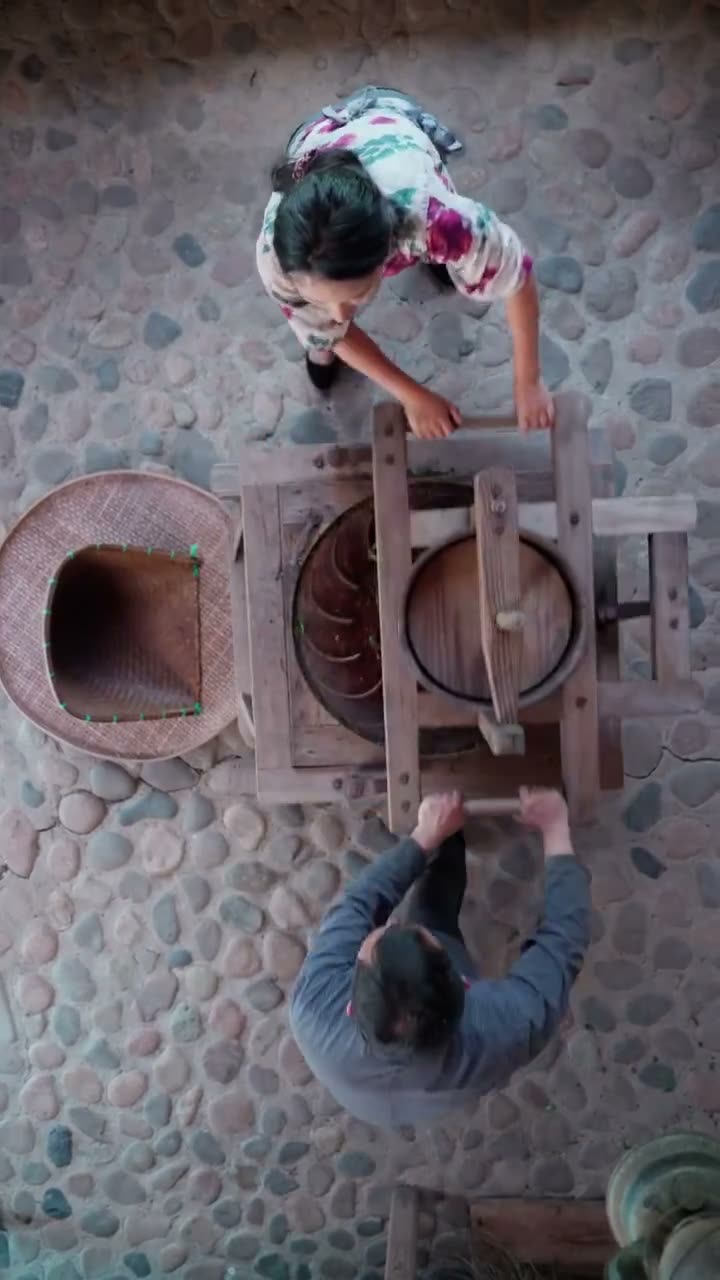
Rolling
Rolling02
الدوار
ينفجر التجفيف خلايا الأوراق ويجمع الإنزيمات والعصائر معاً، ويمضي قدماً في التحليل
03
03
أكسدة
يقع الورق المُقلب في غرفة رطبة حتى يتحول إلى بني نحاس. هنا يتشكل لون الشاي الأسود و شخصيته.
الحمراء
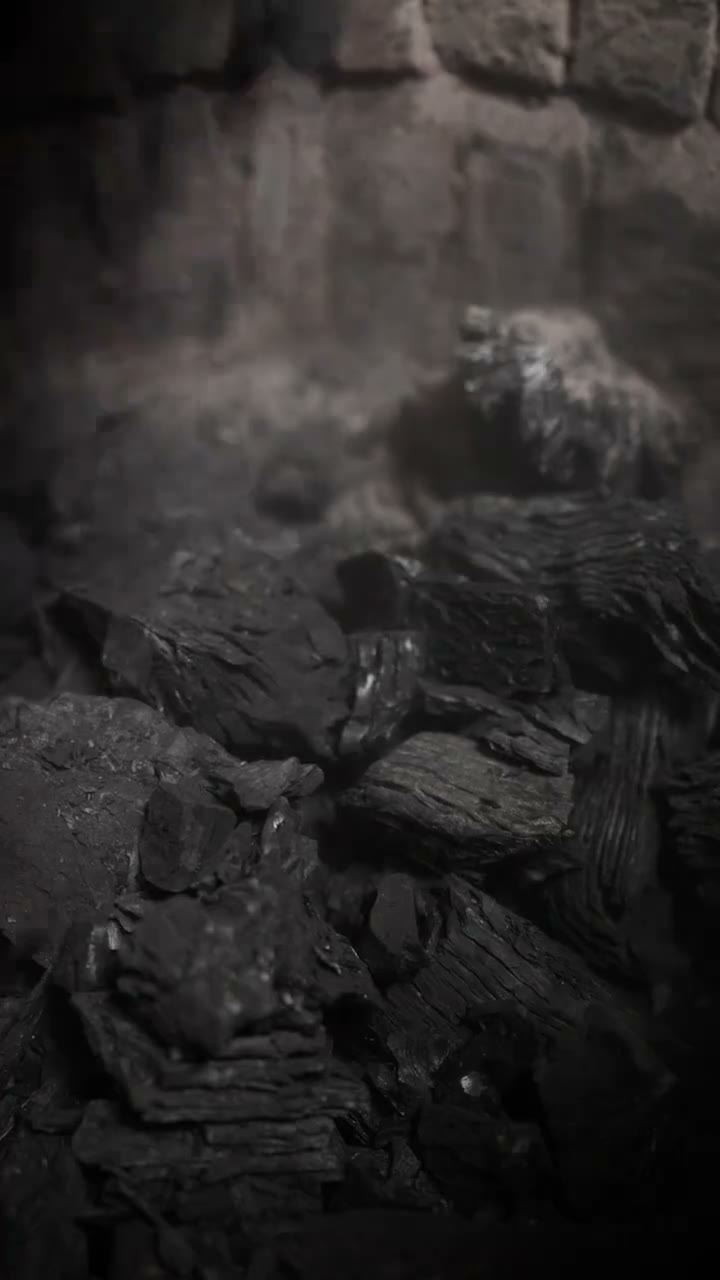
Drying over charcoal04
جاف
يوقف الحرارة التأكسيد ويجعل الرطوبة تصل إلى 7.0% أو أقل. يتم جفاف TongmuLapsang Souchong التقليدي على دخان الصنوبر. يتم جفت النسخة غير المدخنة دون.
Sorting
Sorted lots05
النوع والصف
يتم تصنيف الشاي الأسود Fujian باسم وقطعة Jin Jun Mei هو حجر فقط بدلا من الدرجات الحرفية الأرثوذكسية المستخدمة للشاي الهندي والسيلوني.
الشاي الأسود Fujian
الشاي
المنشأ
ملاحظة
Lapsang Souchong
Tongmu, Wuyishan
أول شاي أسود مسجل؛ مدخن أو غير مدخن تحديد
Jin Jun Mei
Tongmu, Wuyishan
طعم الفاكهة فقط، النقطة الذهبية
Tanyang Gongfu
Fu'an، نينغدي
أسلوب كونغو؛ التاريخي Fujian تصدير الأسود
01
Guide
أين ينمو الشاي الأسود الصيني؟
Central Asia. Black tea into Uzbekistan more than doubled year-to-date in 2025 by an industry count, and total Chinese tea into Uzbekistan reached 29,217.4 tonnes for the year, up 17.3%. Fujian congou styles answer that demand. Black tea was USD 28.05 million, or 9.18%, of Fujian's export value in 2023.
02
Why did black tea appear, and why is it linked with Britain?
Black tea emerged in the Wuyi mountains of Fujian, where fully oxidised tea such as Lapsang Souchong was being made by the seventeenth century. It kept its flavour on long sea voyages better than green tea, and as British demand grew it became the tea of the British market.
In the nineteenth century Britain established tea plantations in India and Ceylon, now Sri Lanka, which is why Assam and Ceylon are so closely associated with black tea today. Chinese black teas such as Lapsang Souchong, Jin Jun Mei and Tanyang Gongfu remain the style’s original source.
أسئلة شائعة
أين تم اختراع الشاي الأسود؟
Tongmu، داخل منطقة Wuyishan من Fujian، الصين.
هل الشاي الأسود مغلي؟
في اللغة التجارية، نعم عنوان HS 0902 يسميه تطور. تقنياً التغيير هو أكسدة إنزيمية، وليس تطور ميكروبي.
لماذا يسمى شايًا أسود مع أن لون المنقوع قد يكون أحمر؟
يشير الاسم الإنجليزي أساساً إلى الورقة المعالجة الداكنة، بينما تصف التسمية الصينية عادة اللون الأحمر للمنقوع. قد يشير الاسمان إلى الفئة العامة نفسها. في المستندات التجارية استخدم اسم المنتج المعترف به في بلد الوجهة، وأضف الدرجة أو أسلوب المنشأ لتجنب الالتباس.
كيف تجعل المعالجة الشاي الأسود مختلفاً عن الأخضر؟
يُسمح للشاي الأسود بأكسدة كبيرة قبل التجفيف، بينما يُسخن الأخضر مبكراً للحد من الأكسدة. يغيّر ذلك اللون والرائحة والطعم وسلوك التخزين، مع بقاء الصنف والمعالجة اللاحقة مهمين. عند مقارنة العينات ثبّت درجة الورقة وظروف التحضير، ولا تجعل اللون الفرق الوحيد.
Is black tea an herb, and is mate black tea?
Black tea is not an herb: it comes from the tea plant, Camellia sinensis, the same plant as green and white tea. Yerba mate is a different plant, Ilex paraguariensis, so mate is not black tea, though both contain caffeine.
What does black tea look like?
Dry black tea is dark brown to black, as twisted whole leaves, fine tippy leaves with golden buds, or small granules in CTC tea. Brewed, it is red-brown to deep amber.
What is black tea in Morocco and Egypt?
In Egypt, black tea is the everyday tea, usually brewed strong and sweet, sometimes with mint. In Morocco the national drink is mint tea made with Chinese green tea, and black tea is a much smaller part of the market.
Why is black tea called red tea in Japanese as well as Chinese?
Japanese names it kocha, “red tea”, for the same reason Chinese calls it hongcha: both name the tea after the red-brown colour of the brewed liquor, while English names it after the dark dry leaf.