Black tea is fully oxidised. Fresh leaf is withered, rolled to break the cells, left to oxidise until the leaf turns copper-brown, then dried. It was invented at Tongmu inside Wuyishan, Fujian — Lapsang Souchong is the first black tea on record — and the Fujian congou method that followed, seen in Tanyang Gongfu from Fu'an, is the ancestor of orthodox black tea worldwide.
The steps
Withering
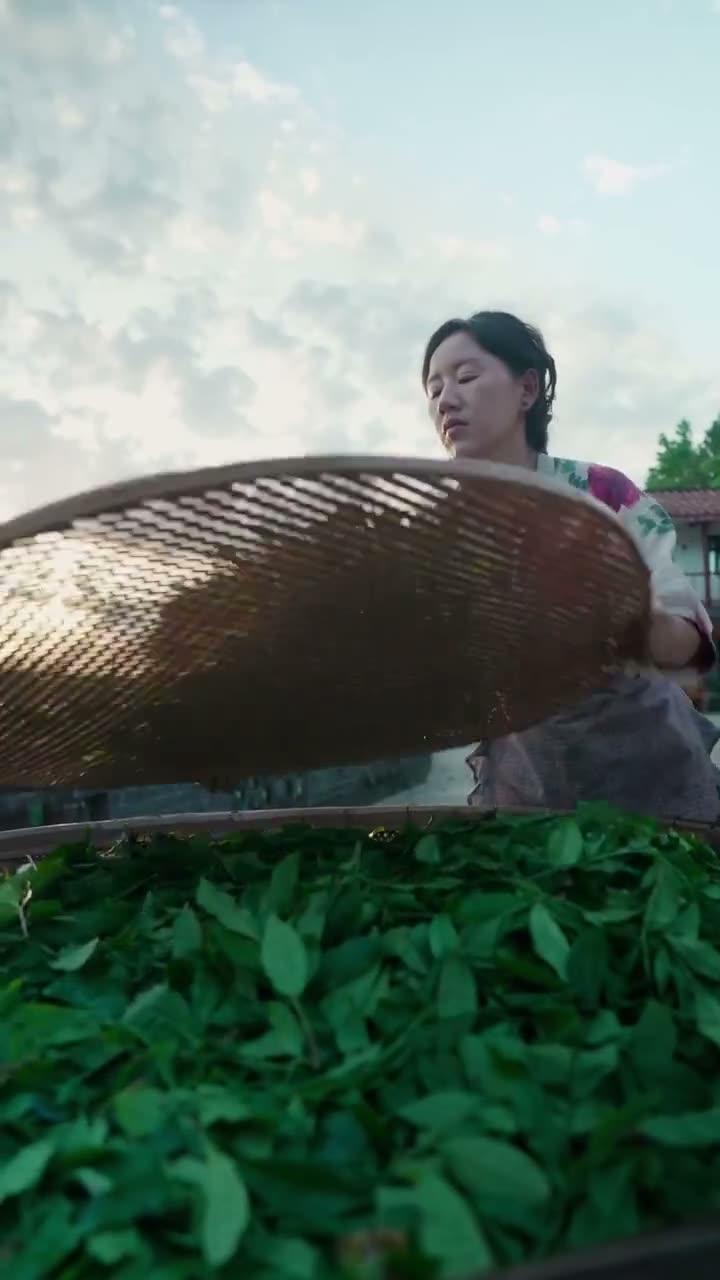
Withering at dusk01
Wither
Leaf loses moisture and becomes pliable enough to roll without shattering.
Rolling
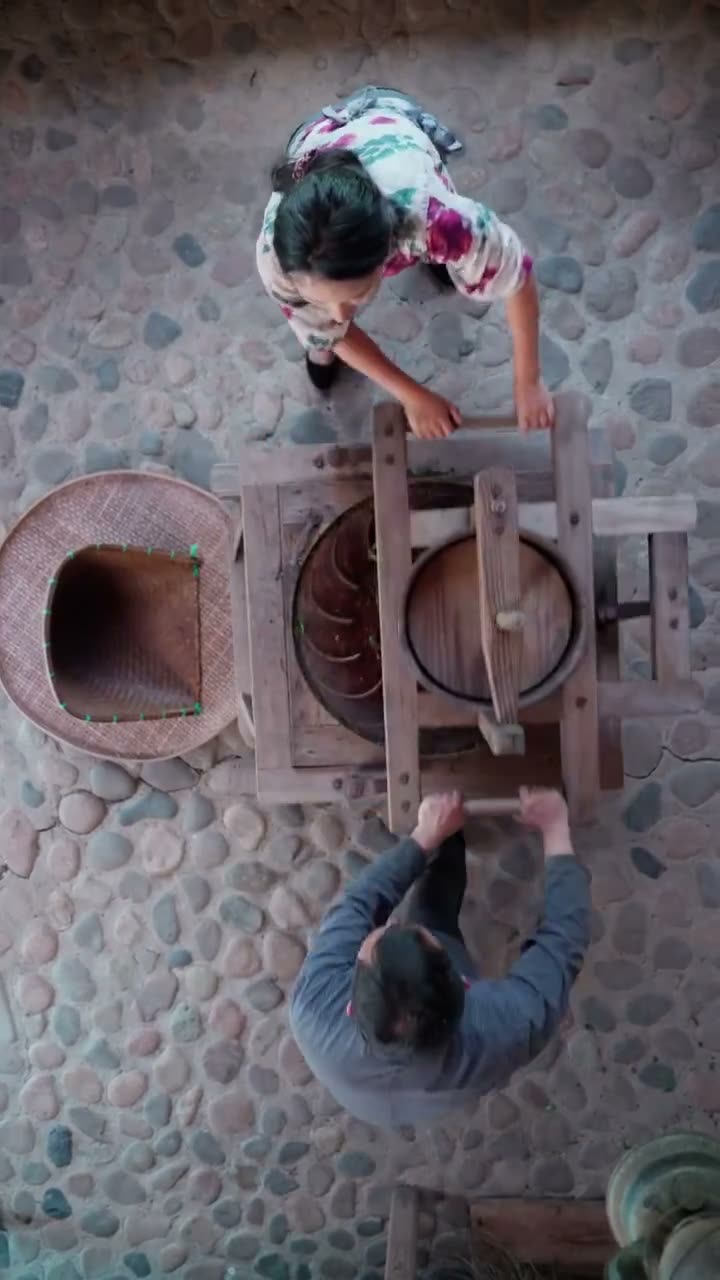
Rolling02
Roll
Rolling ruptures the leaf cells and brings enzymes and juices together, starting oxidation.
03
03
Oxidise
Rolled leaf rests in a humid room until it turns copper-brown. This is where black tea's colour and character form.
Roast
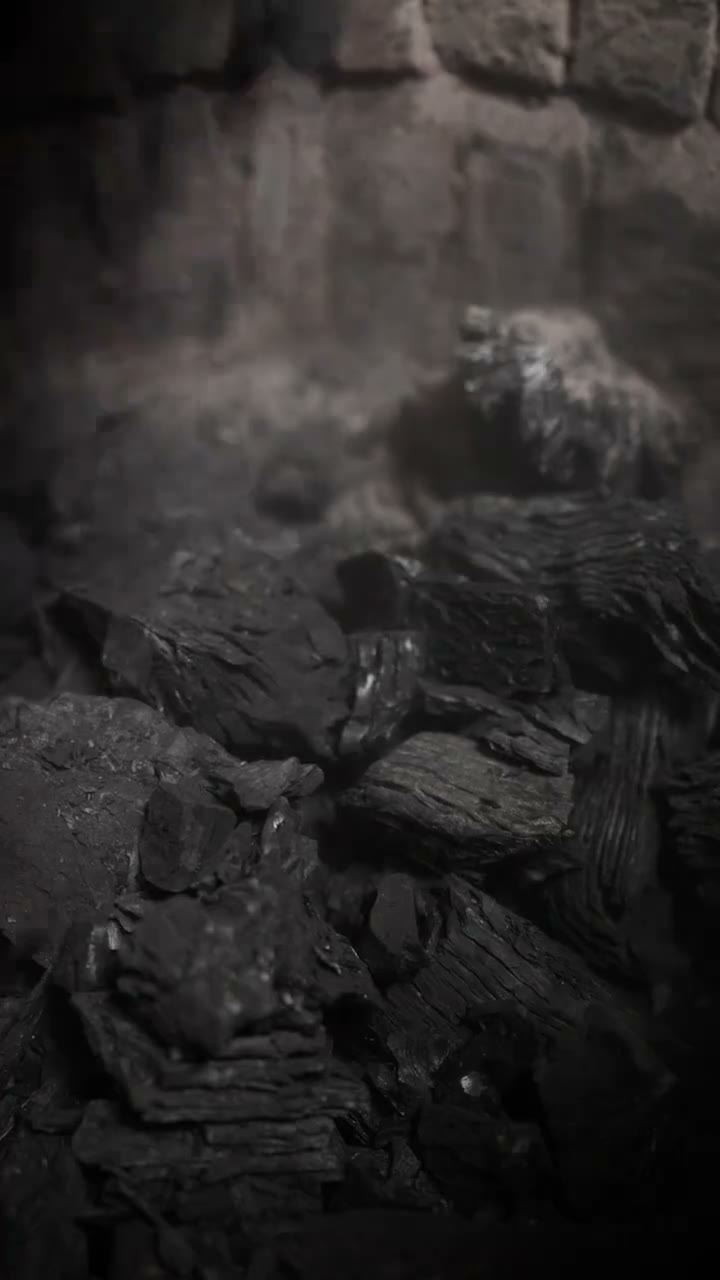
Drying over charcoal04
Dry
Heat stops oxidation and brings moisture down to at or below 7.0%. Traditional Tongmu Lapsang Souchong is dried over pine smoke; the unsmoked version is dried without.
Sorting
Sorted lots05
Sort and grade
Fujian black tea is graded by name and pluck — Jin Jun Mei is bud-only — rather than by the orthodox letter grades used for Indian and Ceylon tea.
Fujian black teas
Tea
Origin
Note
Lapsang Souchong
Tongmu, Wuyishan
First black tea on record; smoked or unsmoked — specify
Jin Jun Mei
Tongmu, Wuyishan
Bud-only pluck; golden tip
Tanyang Gongfu
Fu'an, Ningde
Congou style; the historic Fujian export black
01
Guide
Where is Chinese black tea growing?
Central Asia. Black tea into Uzbekistan more than doubled year-to-date in 2025 by an industry count, and total Chinese tea into Uzbekistan reached 29,217.4 tonnes for the year, up 17.3%. Fujian congou styles answer that demand. Black tea was USD 28.05 million, or 9.18%, of Fujian's export value in 2023.
02
Why did black tea appear, and why is it linked with Britain?
Black tea emerged in the Wuyi mountains of Fujian, where fully oxidised tea such as Lapsang Souchong was being made by the seventeenth century. It kept its flavour on long sea voyages better than green tea, and as British demand grew it became the tea of the British market.
In the nineteenth century Britain established tea plantations in India and Ceylon, now Sri Lanka, which is why Assam and Ceylon are so closely associated with black tea today. Chinese black teas such as Lapsang Souchong, Jin Jun Mei and Tanyang Gongfu remain the style’s original source.
Frequently asked
Where was black tea invented?
Tongmu, inside the Wuyishan area of Fujian, China.
Is black tea fermented?
In trade language, yes — HS heading 0902 calls it fermented. Technically the change is enzymatic oxidation, not microbial fermentation.
Why is it called black tea when the liquor can look red?
The English name refers mainly to the dark processed leaf, while Chinese terminology commonly describes the red colour of the infusion. Both names can refer to the same broad tea category. For trade documents, use the destination’s recognised product name and include the grade or origin style to avoid ambiguity.
How does processing make black tea different from green tea?
Black tea is allowed to oxidise substantially before drying, while green tea is heated early to limit oxidation. That difference changes colour, aroma, taste and storage behaviour, although cultivar and later processing also matter. A buyer comparing samples should keep leaf grade and brewing conditions consistent rather than treating colour as the only distinction.
Is black tea an herb, and is mate black tea?
Black tea is not an herb: it comes from the tea plant, Camellia sinensis, the same plant as green and white tea. Yerba mate is a different plant, Ilex paraguariensis, so mate is not black tea, though both contain caffeine.
What does black tea look like?
Dry black tea is dark brown to black, as twisted whole leaves, fine tippy leaves with golden buds, or small granules in CTC tea. Brewed, it is red-brown to deep amber.
What is black tea in Morocco and Egypt?
In Egypt, black tea is the everyday tea, usually brewed strong and sweet, sometimes with mint. In Morocco the national drink is mint tea made with Chinese green tea, and black tea is a much smaller part of the market.
Why is black tea called red tea in Japanese as well as Chinese?
Japanese names it kocha, “red tea”, for the same reason Chinese calls it hongcha: both name the tea after the red-brown colour of the brewed liquor, while English names it after the dark dry leaf.