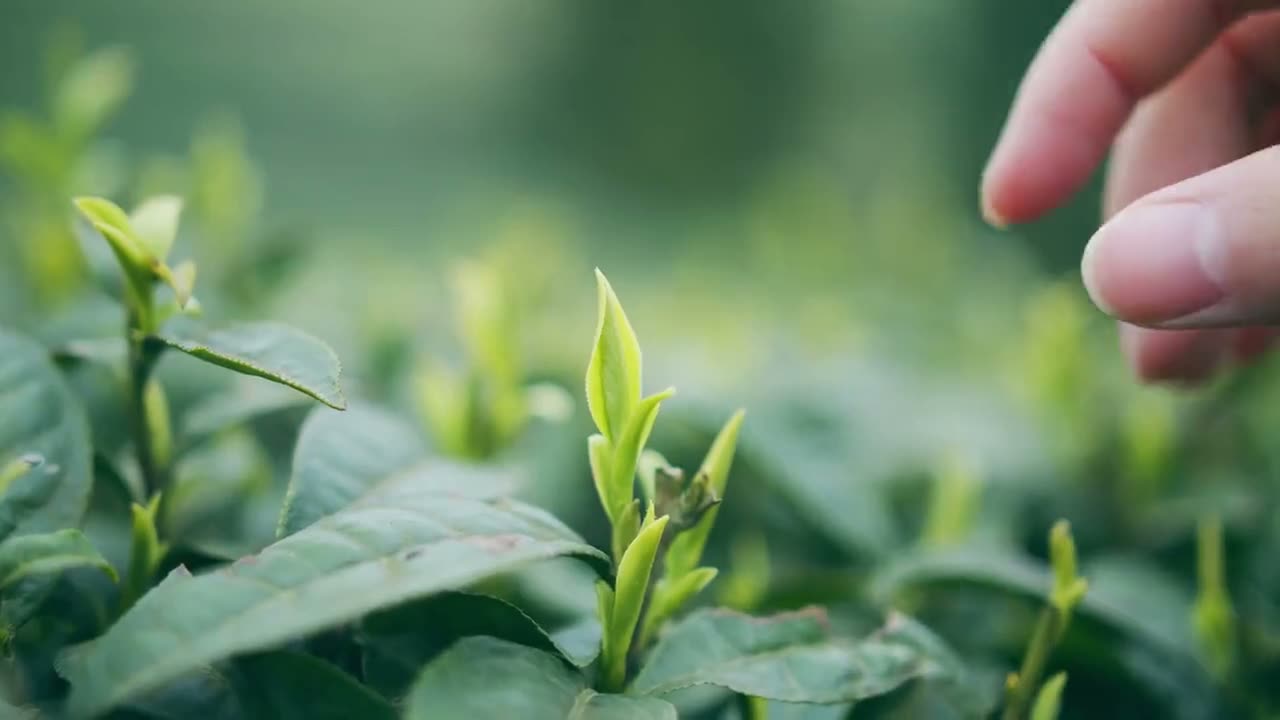
White tea has the shortest process of any Chinese tea: pluck, wither, dry. There is no fixation and no rolling, so the maker's control is limited to the plucking standard and the wither. That is why Bai Hao Yin Zhen, Bai Mu Dan, Gong Mei and Shou Mei are separated by what was picked, not by what was done to it afterwards.
Les étapes
Plucking
Plucking to standard01
Pluck à la norme
Single unopened buds for Bai Hao Yin Zhen; one bud with one to two leaves for Bai Mu Dan; one bud with two to three leaves for Gong Mei; mature leaf for Shou Mei. The grade is decided here.
Withering
Withering trays02
Avec
La feuille est étendue sur des plateaux ou des bassins et laissée pour perdre l'humidité lentement, à l'intérieur ou à l'ombre, pendant une période déterminée par le temps et la feuille.
03
03
La sécheresse
Le séchage à basse température réduit l'humidité à la spécification commerciale de 7,0% ou en dessous et empêche la séchage.
04
04
Sort et emballage
Loose leaf for immediate sale, or pressed into 100 g, 300 g and 350 g cakes for storage and ageing. White tea can be aged when kept dry and odour-free; age changes the flavour rather than guaranteeing quality.
Thé blanc ce que le contrat doit indiquer
Cláusula
Spécifications
Grade
By plucking standard: Yin Zhen, Bai Mu Dan, Gong Mei or Shou Mei
Origine
County — Fuding (Ningde) or Zhenghe (Nanping), Fujian
Fenêtre de récolte
Le printemps pour Yin Zhen et Bai Mu Dan; les décharges ultérieures pour Shou Mei Shou Mei
Taux d'humidité
≤ 7,0%
Formatation
Loose, ou gâteau à 100 g / 300 g/ 350 g
Norme des résidus
Nommé par juridiction de destination
01
Guide
Where is white tea demand concentrated?
White tea demand is concentrated in specialty channels in Russia, North America and East Asia that buy by origin name, rather than in the bulk trade. Plucking standard and origin decide the price there more than weight does. The process needs no fixation or rolling machinery, which opens white tea to smaller Fujian gardens.
Questions fréquentes
Le thé blanc est-il fermenté ?
Non. Il subit une oxydation naturelle minimale pendant la sécheresse mais n'est pas fermenté et est classé avec le thé vert sous le nom de HS 0902.20.
Pourquoi le thé blanc est- il si dépendant de la météo?
Parce que la sécheresse est la seule étape où la saveur se développe et que cela se fait avec l'air ambiant.
Le thé blanc vient-il d’une plante différente ?
Généralement non. Thé blanc, vert, oolong et noir proviennent tous de Camellia sinensis ; les catégories viennent surtout de la cueillette et de la transformation. Le cultivar reste important et certains conviennent mieux à un style. Une spécification doit nommer type, grade et origine, sans laisser croire à une espèce de thé blanc distincte.
À quoi doit ressembler un thé blanc fini ?
L’aspect dépend du grade et du style. Un grade de bourgeons peut montrer beaucoup de duvet argenté ; un grade feuillu contient des feuilles vertes, brunes ou olive plus grandes. Régularité, intégrité et absence d’humidité anormale ou de corps étrangers sont plus utiles qu’une couleur unique. Évaluez aussi arôme, liqueur et norme de grade.
Why is white tea called white?
White tea is named for the fine white down covering its young buds, called bai hao, “white hair”. The dry buds look silvery white; the brewed tea is pale gold, not white.
Is white tea black or green tea?
Neither. White tea is its own category, the least processed of all: it is withered and dried without the heat fixing of green tea or the full oxidation of black tea. It comes from the same plant, mainly from Fuding and Zhenghe in Fujian.
Is white tea the same as white sage or chamomile?
No. White tea comes from the tea plant, Camellia sinensis, and contains caffeine. White sage and chamomile are different plants used for herbal infusions and contain no tea.
How is the Chinese name for white tea read?
In Chinese it is read bai cha; in Japanese it is usually read hakucha. Both mean white tea, the Fujian category of withered, dried tea.