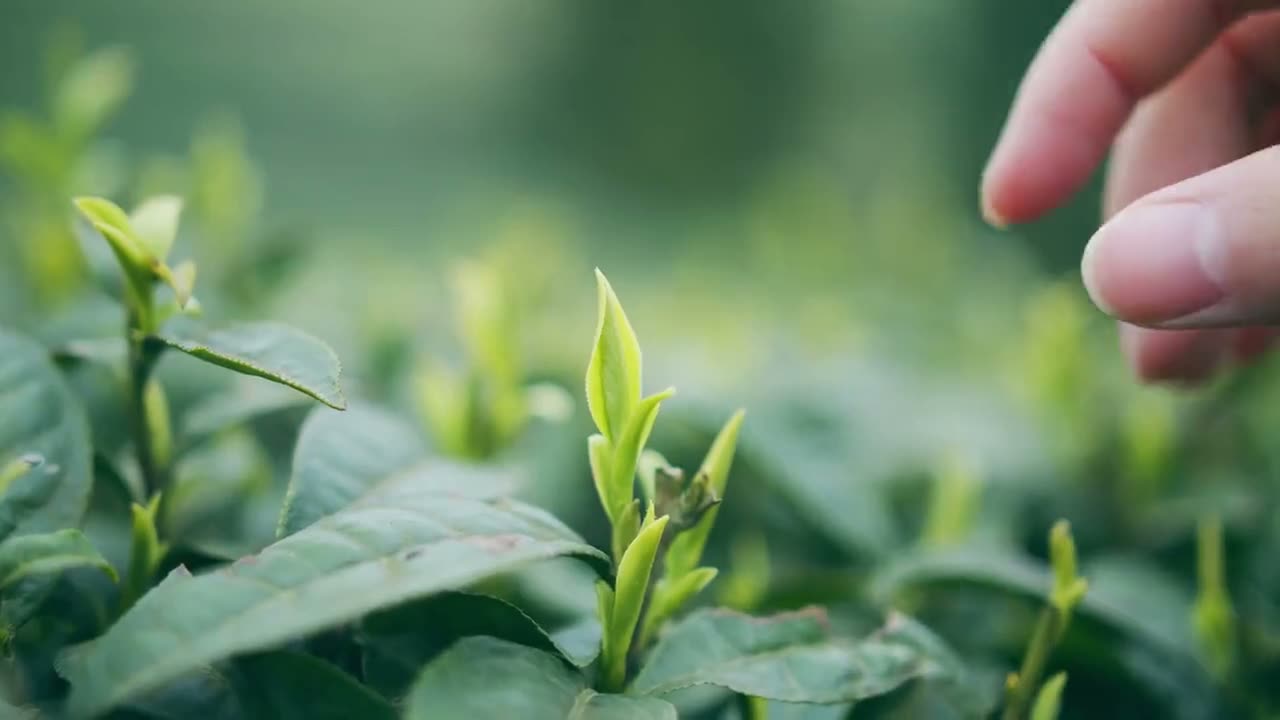
White tea has the shortest process of any Chinese tea: pluck, wither, dry. There is no fixation and no rolling, so the maker's control is limited to the plucking standard and the wither. That is why Bai Hao Yin Zhen, Bai Mu Dan, Gong Mei and Shou Mei are separated by what was picked, not by what was done to it afterwards.
Шаги
Plucking
Plucking to standard01
Сборка по стандарту
Single unopened buds for Bai Hao Yin Zhen; one bud with one to two leaves for Bai Mu Dan; one bud with two to three leaves for Gong Mei; mature leaf for Shou Mei. The grade is decided here.
Withering
Withering trays02
Стерлин
Листья раздают на ложах или трубах и оставляют, чтобы медленно потерять влагу, внутри или под тенью, в течение определенного временем по погоде и листьям.
03
03
Сухой
Low-temperature drying brings moisture down to the trade specification of at or below 7,0% and stops the wither. Over-drying flattens the cup; under-drying shortens shelf life.
04
04
Сортировка и упаковка
Loose leaf for immediate sale, or pressed into 100 g, 300 g and 350 g cakes for storage and ageing. White tea can be aged when kept dry and odour-free; age changes the flavour rather than guaranteeing quality.
Белый чай что должно быть указано в договоре
Положение
Спецификация
Сорт
By plucking standard: Yin Zhen, Bai Mu Dan, Gong Mei or Shou Mei
Происхождение
County — Fuding (Ningde) or Zhenghe (Nanping), Fujian
Окно по сбору урожая
Весна для Yin Zhen и Bai Mu Dan; позднее высыпание для Shou Mei
Влажность
≤ 7,0%
Формат
Спущенный или тортовый на 100 г / 300 г/ 350 г
Стандарт остатков
Имя по юрисдикции назначения
01
Guide
Where is white tea demand concentrated?
White tea demand is concentrated in specialty channels in Russia, North America and East Asia that buy by origin name, rather than in the bulk trade. Plucking standard and origin decide the price there more than weight does. The process needs no fixation or rolling machinery, which opens white tea to smaller Fujian gardens.
Частые вопросы
Белый чай ферментирован?
Нет, он подвергается минимальной естественной окислению во время кипения, но не ферментируется, и он классифицируется с зеленым чаем в HS 0902.20.
Почему белый чай так зависит от погоды?
Потому что только на пролетной неделе, когда проходит влажная неделя, происходит развитие вкуса и воздуха.
Белый чай делают из другого чайного растения?
Обычно нет. Белый, зелёный, улун и чёрный чай получают из Camellia sinensis; категории главным образом различаются стандартом сбора и обработкой. Сорт растения всё же важен, и некоторые лучше подходят определённым стилям. В спецификации указывайте тип, сорт и происхождение, не создавая впечатление отдельного вида белого чая.
Как должен выглядеть готовый белый чай?
Внешний вид зависит от сорта и стиля. Почечные сорта могут иметь много серебристого ворса, листовые — более крупные зелёные, коричневые или оливковые листья. Однородность, целостность и отсутствие необычной влаги или посторонних примесей полезнее требования одного цвета. Оценивайте вид вместе с ароматом, настоем и письменным стандартом сорта.
Why is white tea called white?
White tea is named for the fine white down covering its young buds, called bai hao, “white hair”. The dry buds look silvery white; the brewed tea is pale gold, not white.
Is white tea black or green tea?
Neither. White tea is its own category, the least processed of all: it is withered and dried without the heat fixing of green tea or the full oxidation of black tea. It comes from the same plant, mainly from Fuding and Zhenghe in Fujian.
Is white tea the same as white sage or chamomile?
No. White tea comes from the tea plant, Camellia sinensis, and contains caffeine. White sage and chamomile are different plants used for herbal infusions and contain no tea.
How is the Chinese name for white tea read?
In Chinese it is read bai cha; in Japanese it is usually read hakucha. Both mean white tea, the Fujian category of withered, dried tea.